A shipping container shop takes a rugged steel freight box and transforms it into a customer-facing retail or service space, from coffee kiosks and boutiques to barber shops and branded pop up shops. The concept is gaining traction because it delivers a functional storefront faster and at a lower cost than traditional construction. Below, you'll find everything you need to know about selecting, purchasing, and converting containers into profitable commercial spaces, along with how Container Management, Inc. fits into the process.
Key Takeaways
- Container Management, Inc. sells New and Used shipping containers in 20ft, 40ft, and 40ft High Cube sizes, including One-Trip, Cargo Worthy, and Wind & Watertight grades, all of which serve as a strong base for shop shipping container projects.
- Shipping container shops and pop up shops are affordable, fast-to-deploy retail or service spaces compared to stick-built construction.
- Container Management, Inc. can source, inspect, and deliver shipping containers nationwide from nearby depots, but full custom modifications are only offered through its Chicago, IL fabrication shop.
- Buyers must plan for local permitting, foundations, and trades such as electrical, plumbing, and HVAC with their own licensed contractors when converting a container into a retail shop or mobile office.
- The most popular sizes for shipping containers are 20-foot and 40-foot, and shipping containers are classified by size and intended use.
What Is a Shipping Container Shop?
A shipping container shop is a standard ISO freight container, typically 20ft or 40ft in length, that has been modified into a retail or service space. Think coffee stands, clothing boutiques, bike repair stations, juice bars, or branded activation booths. The underlying structure is the same corrugated steel box designed for transporting goods across oceans, but with doors, windows, counters, interior finishes, and signage added to make it customer-ready.
What separates a shop container from a simple storage container is the level of finish. Common uses for shipping containers include on-site storage and transportation of goods, but a shop build adds glazed entryways, serving hatches, insulation, lighting, and life-safety features that a basic storage unit does not require. Shipping containers are used for secure, weather-resistant storage, and that same durability becomes the backbone of a retail space.
Container Management, Inc. is a
family-owned wholesaler and a leading provider of
new and
used shipping containers that customers frequently purchase as the starting point for retail, food, and mobile offices. Once you buy shipping containers from the closest depot, delivery typically happens within about 4–7 business days in most U.S. locations, so your fabrication team can get started quickly.
Why Choose a Shipping Container Shop Over Traditional Construction?
Building a small kiosk or leasing space in a strip mall involves lengthy permitting, high material costs, and months of construction. A shipping container shop sidesteps much of that.
- Lower upfront cost. A used container in good condition can cost a fraction of framing, roofing, and finishing a comparable stick-built space. New shipping containers are typically more expensive than used ones, but even a One Trip unit remains cost effective against conventional construction.
- Faster timeline. A Cargo Worthy or Wind Water Tight container can arrive at your site within roughly a week, letting you begin fit-out while permits for interior trades are still processing. Compare that to months of foundation work and framing for a new build.
- Mobility. Unlike permanent buildings, a container shop can be easily transported between events, campuses, or seasonal locations on a tilt-bed truck. That flexibility is ideal for temporary retail, festival vendors, and businesses testing new markets.
- Durability and weather resistance. Shipping containers are made from durable COR-TEN steel, engineered to survive ocean voyages, stacking loads, and harsh conditions. That makes them far tougher than most temporary structures or cheap sheds.
- Sustainability. Repurposing used shipping containers extends the useful life of existing steel rather than consuming all-new materials. It is a practical form of adaptive reuse that reduces embodied carbon compared to fresh construction.
Best Container Types for Shop and Retail Builds
Not every container is the right solution for a shop. Size, condition, and height drive your design options and interior comfort.
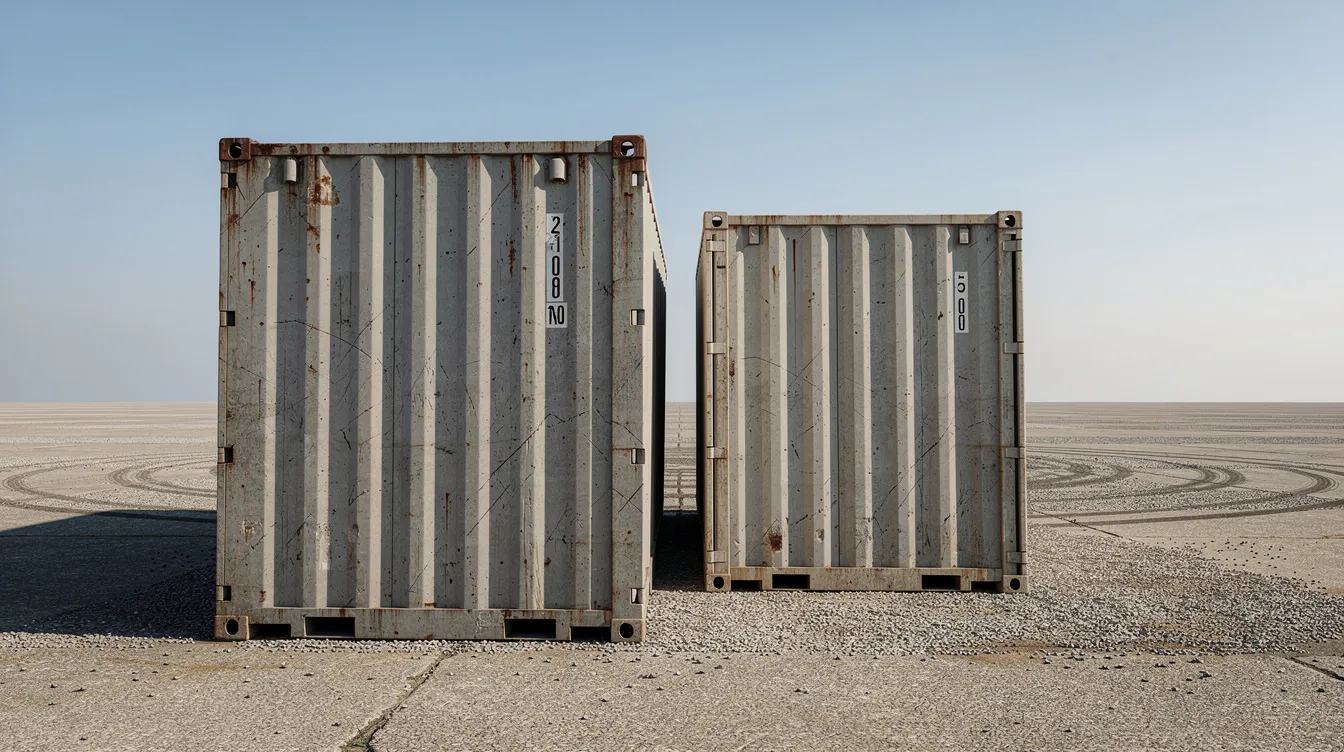
20ft standard containers provide roughly 160 square feet of floor space, suitable for coffee kiosks, ticket booths, and small pop up shops in tight urban lots or parking spaces. Standard dry containers are best for general storage or transporting non-perishable dry goods, but with modifications they become compact retail units.
40ft containers roughly double your merchandising area and allow for back-of-house storage, a small office space, or combined retail and prep zones. A 40ft shipping container offers about 2,700 cubic feet of storage, giving you room for both customer-facing displays and supplies.
High cube containers stand at 9'6" exterior height. High cube containers are one foot taller than standard containers, and that extra headroom makes insulation, ductless HVAC, lighting, and signage far more practical. Both 20ft HC and 40ft HC options exist.
Regarding condition and container grades:
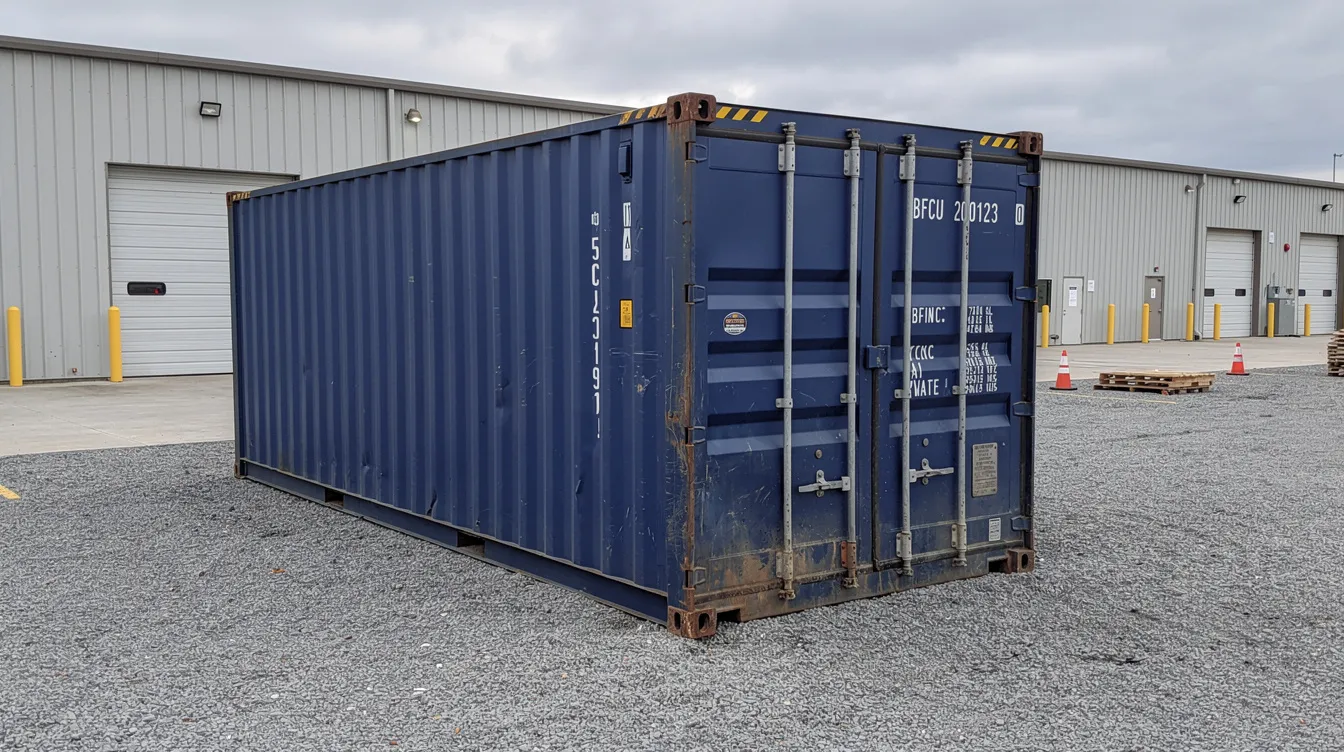
- One Trip containers are new containers, nearly perfect, used once for shipping. One-Trip containers meet IICL standards for quality, making them ideal when brand image demands a clean exterior with only minor wear.
- Cargo Worthy containers are structurally sound and can be certified for shipping, holding a valid CSC plate for international shipping.
- Wind and Water Tight containers are good for on-site storage and to keep out the elements, a solid budget pick for permanent installations where export isn't planned.
- As-Is containers require repairs and are generally suited for experienced buyers who plan heavy modifications anyway. Container Management, Inc. does not sell "As-Is" containers.
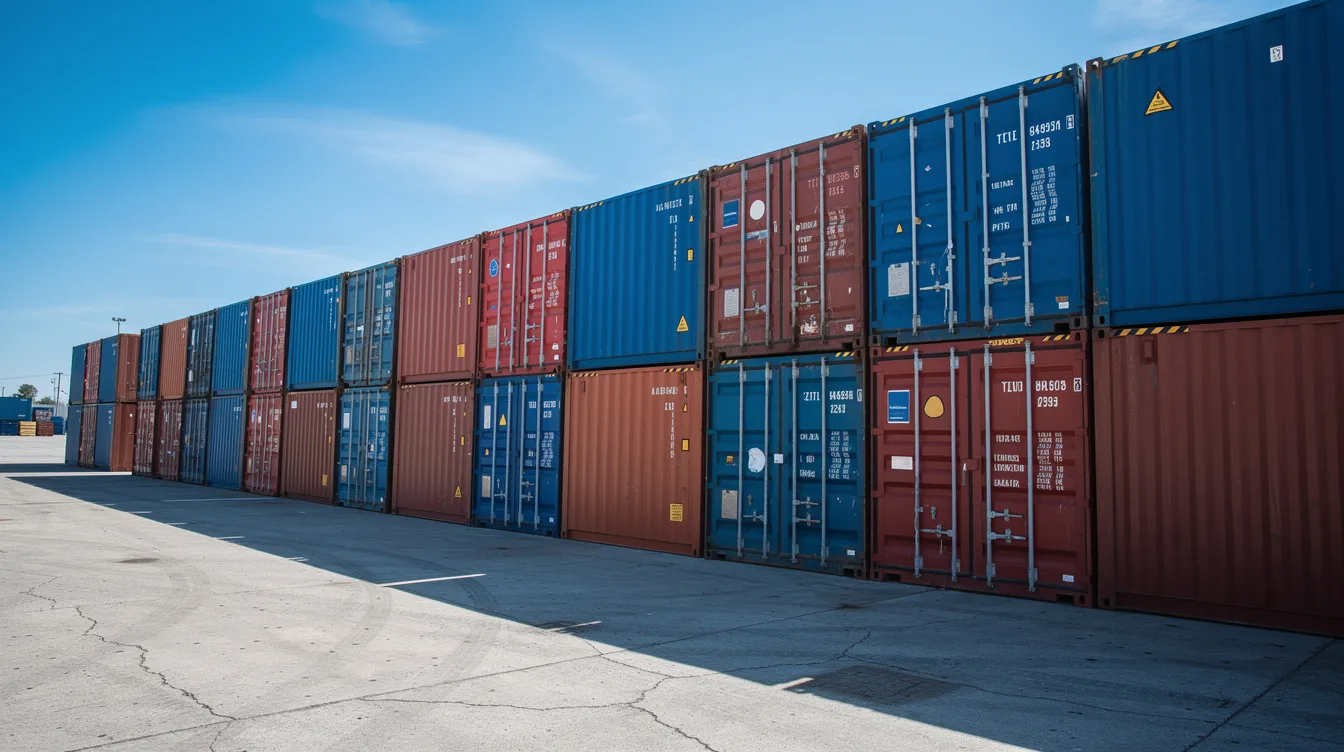
Common types of shipping containers include dry, high cube, refrigerated, and open-top. Container Management, Inc. stocks 20ft and 40ft containers, including High Cube and specialty units, via a nationwide depot network, with 10ft units available new in Chicago only. Used containers undergo an 8-point inspection for quality assurance before sale.
Planning Your Shop Shipping Container Concept
Before you purchase a container, invest time in planning. Knowing your use case, location, and utility needs prevents expensive rework later.
Start by defining a clear business use. Are you building retail space for clothing and merchandise, a food and beverage concept like a coffee bar, a service shop like a barber or bike repair station, or branded pop up shops for events? Each use has different requirements for plumbing, ventilation, and health department compliance.
Sketch a basic layout showing customer entry, a sales counter or service window, storage for supplies, staff circulation, and any restroom or back-office area. Used containers can be modified for specific uses, and containers can be transformed into unique living spaces or commercial environments, so think creatively about the floor plan. Consider whether a single container is enough or if multiple units (say, a 20ft shop plus a 20ft storage container) should be connected on site to create a larger footprint, especially if you are also exploring shipping container storage business opportunities.
Check local zoning and building codes early. Local zoning regulations may require permits to place a shipping container on residential or commercial property. Setback rules, ADA access, fire exits, and health department requirements can all affect door placement and interior clearances, especially for food service.
Container Management, Inc. does not provide floorplans or design services. Customers should work with a local architect, engineer, or designer to create permit-ready drawings that address their specific requirements.
Key Features to Include in a Shipping Container Shop
A successful container shop balances structural integrity with customer comfort and brand presentation. Here's what to plan for:
Exterior features:
- Glazed customer doors (swing or sliding) and serving windows or hatches
- Roll-up doors for open-front shop effects
- Signage panels, canopy or awning brackets, and paint in brand colors
- Weather-resistant overhangs to protect customers and taller items on display
Interior essentials:
- Insulation suited to local climate (spray foam, rigid board, or similar)
- Interior wall and ceiling finishes such as drywall or paneling
- Durable flooring (vinyl, polished concrete, or commercial laminate)
- LED lighting, electrical outlets for POS, and power for equipment
- Galvanized steel enhances the durability of shipping container shops, so look for galvanized components in high-moisture areas
Functional fixtures:
- Built-in counters, shelving, and lockable storage cabinets
- Display systems for merchandise or menu boards
- Rough openings for HVAC units, conduit pass-throughs for wiring, and openings for plumbing if a sink or restroom is planned
Container Management, Inc. can handle certain custom modifications at its Chicago, IL fabrication shop, including cut-outs, limited door and window installs, basic HVAC units, interior walls, insulation, and flooring. However, most electrical and plumbing work must be performed by local licensed trades to meet building codes.
Buying vs. Modifying: How Container Management, Inc. Fits In
Many readers will either buy a plain container and work with a local fabricator or buy a container and use Container Management, Inc.'s limited modification services in the Chicago area.
Container Management, Inc. is a family-owned wholesaler focused on selling and delivering new and used shipping containers nationwide. The company is not a turnkey builder of container shops or container homes. Here's how the standard purchase process works:
- Choose your container size and condition (20ft, 40ft, High Cube, One Trip, Used Cargo Worthy, or Wind & Water Tight).
- Get a quote based on depot inventory near your project location.
- Schedule delivery and receive a container guaranteed wind and watertight at time of delivery.
Inspection before buying should include checking for rust, structural integrity, and door functionality. Container Management, Inc. handles this at the depot level before shipping.
Customization services (cut-outs, small to mid-sized doors, basic HVAC, some insulation, interior walls, and flooring) are performed only at the Chicago, IL modification shop. Shipping a finished unit long distances can add significant cost to the container price.
Container Management, Inc. does not provide financing, onsite electrical or plumbing work, container home construction, or full design services. For many projects, the most efficient route is to buy containers from the closest depot, have them delivered, then complete shop-specific modifications with a nearby fabricator or contractor team. Container Management, Inc. guarantees wind and watertight condition at the point of delivery and offers a wide range of
shipping containers for sale.
Delivery, Site Prep, and Placement for Shop Containers
Predictable delivery and a properly prepared site are critical to avoiding delays and extra crane or trucking costs.
Container Management, Inc. operates a nationwide depot network. Standard delivery for containers is usually within 5 business days after purchase, using flatbed, tilt-bed, or side-loader truck deliveries within about a 200-mile radius of each location. Longer distances are available by arrangement. Delivery costs vary based on distance and service chosen, and understanding how Container Management, Inc. delivers shipping containers can help you budget accurately.
Site preparation checklist:
- Land preparation for delivery includes ensuring a firm, level ground, such as gravel or concrete.
- Place foundations (compacted gravel pads, railroad ties, or concrete pier footings) under the container's corner castings. For 40ft units, add mid-span support to prevent floor sag.
- Adequate clearance is needed for the delivery truck, with specific requirements based on the container size. A 40ft delivery often requires at least 120 feet of straight, firm access plus room for turning radius and overhead wire clearance.
Container Management, Inc. only delivers containers it has sold; the company is not a general trucking service. In some areas the customer must arrange offloading equipment if site conditions prevent standard tilt-bed delivery. For detailed prep guidance, review Container Management, Inc.'s site delivery resources.
If you're planning a shipping container shop for busy plazas, campuses, or events, walk the route in advance, measure clearances, and share photos with the team before scheduling delivery.
Regulations, Permits, and Safety for Container Shops
While shipping containers are simple structures, using them as public-facing shops triggers building, zoning, fire, and sometimes health regulations.
Contact your local city or county building department early. Ask how shipping container retail units are treated: temporary structure, permanent structure, or equipment. Local zoning regulations may require permits even for a temporary installation on commercial property. The process varies significantly by municipality.
Key code topics a designer or engineer should address:
- Structural stability - especially when cutting large openings in walls or stacking containers. Headers and steel reinforcement prevent warping.
- Emergency exits - proper egress paths and door widths per fire code.
- Accessibility - ADA-compliant ramps, thresholds, and door widths.
- Fire separation or sprinklers where applicable under local ordinance.
For food and beverage shops, the health department will have additional concerns: washable surfaces, handwashing sinks, grease traps, approved plumbing connections, and ventilation. Coordinate these with local licensed plumbers early. Refrigerated containers are perfect for storing perishable items due to temperature control and may supplement a food-service container shop.
Container Management, Inc. does not handle permitting, inspections, or onsite installations beyond container delivery and placement. Document the container's origin and condition (e.g., New One Trip with CSC plate, or Cargo Worthy with inspection records) in case regulators ask about structural history.
Cost Breakdown: From Bare Container to Finished Shop
Total project cost breaks into four categories: the container itself, delivery, modifications, and fit-out. Actual numbers vary by market, but the cost structure is predictable.
Container pricing drivers:
| Factor | Impact on Price |
|---|---|
| Size (20ft vs 40ft vs HC) | Larger and taller units cost more |
| Condition (One Trip vs Used) | New shipping containers are typically more expensive than used ones |
| Depot proximity | Prices for containers depend on age, condition, and location |
| Market conditions | Port and rail hub supply affects availabili |
A 40ft used shipping container starts at $1,150 in some markets, though prices fluctuate with supply. Used 20ft units in good condition typically range from roughly $2,000–$3,500 before delivery.
Delivery: Budget separately based on mileage from the nearest Container Management, Inc. depot, rural vs. urban access, and whether cranes or long-range trucking are required.
Modifications: Structural cut-outs, steel framing around new openings, doors, windows, insulation, interior finishes, HVAC, electrical, lighting, and custom millwork like counters and shelving. A basic 20ft shop with minimal modifications might run $10,000–$20,000 all-in. A fully customized store with premium finishes, kitchen, and HVAC can reach $30,000–$80,000 or more.
Request a detailed quote for the container and delivery from Container Management, Inc. first, then solicit bids from local fabricators and trades to build a realistic project budget. Extensive customization at the Chicago shop for a distant project may add substantial shipping costs worth weighing against using a local fabricator.
Popular Uses for Shop Shipping Container Shops
Container shops are highly flexible. Containers can be modified for use as pop-up shops or restaurants, and the range of applications keeps expanding.
Food and beverage: Coffee stands, juice bars, compact kitchens, and pop-up bars where health codes allow. Serving windows and canopies create inviting walk-up counters that draw foot traffic. These builds emphasize washable surfaces, ventilation, and suitable plumbing.
Retail and brand activations: Clothing boutiques, merch stores, and branded activations at festivals, sports events, and campuses. Containers can be branded, lit, and moved from event to event on a seasonal schedule, making them a cost effective alternative to warehousing temporary booths.
Service-based shops: Barber shops, salons, tattoo studios, or repair shops built into containers, often combined with a small waiting area and mobile office workspace. Shipping containers can be converted into mobile offices with relative ease.
Hybrid solutions: Containers used as both shopfronts and back-of-house personal storage, or paired with standard storage containers from Container Management, Inc. on construction sites for tool storage plus on-site sales offices. This is common at remote locations where permanent buildings aren't practical.
Container Management, Inc. routinely supplies containers for mobile offices, workshops, and pop-up retail projects across multiple states, and can coordinate multi-location orders and deliveries for brands scaling a shop concept, whether you need units near
Cincinnati, Ohio,
Cleveland, OH,
Detroit, MI, or
Indianapolis, IN. The company provides great customer service through its wide selection of inventory and efficient depot logistics.
How to Buy a Container for Your Shop from Container Management, Inc.
The buying process is straightforward whether you're a single-location business or a multi-state operator looking to store inventory or build out a commercial concept.
Steps to purchase:
- Identify your needs. Pick your required container size and height (20ft, 40ft, Standard height or High Cube). Decide between New (One Trip) or Used (Cargo Worthy or Wind & Water Tight) based on your budget and aesthetic needs.
- Get a quote. Contact Container Management, Inc. with your project details, including intended use (shop, mobile office, pop-up retail), access conditions, and whether you plan to handle modifications locally or through the Chicago shop.
- Confirm and schedule. Once pricing and terms are approved, the order is scheduled. Containers are inspected for wind & water tight condition, and delivery is coordinated for a 4–7 business day window in most regions.
The team uses a nationwide depot network to locate containers close to your project site, whether you need one unit in Chicago or multiple units near Dallas, Atlanta, or Los Angeles. Enter your zip code or call for the best price on available inventory.
Ready to get started? Contact Container Management, Inc. today for current shipping containers for sale, export-certified units, and guidance on which container type is the right container for your shop concept. The team can help you find the right solution for your shipping container needs, whether it's a single 20ft box or a fleet of 40ft High Cube units delivered to multiple sites.
Frequently Asked Questions About Shipping Container Shops
Below are answers to practical questions buyers of container shops often have beyond the topics covered above.
Can a shipping container shop be completely weatherproof?
Standard ISO shipping containers are designed to be wind and water tight, and Container Management, Inc. guarantees this condition at time of delivery for every unit sold. Once you cut openings for doors, windows, or serving hatches, proper framing, flashing, and sealing by your fabricator are essential to maintain a water tight envelope. For harsh climates, adding insulation, vapor barriers, and properly sealed penetrations around HVAC and electrical conduits is critical for comfort and long term storage of moisture-sensitive merchandise.
How long does it take to go from ordering a container to opening a shop?
Container procurement and delivery from Container Management, Inc. typically takes about 4–7 business days after purchase in most U.S. markets. Design, permitting, and fit-out timelines vary widely: a simple kiosk with minimal modifications might be completed in a few weeks, while fully built-out retail or food units can take several months when local permitting and trades are involved. Order containers early so your design and construction teams can work in parallel with the permitting process.
Can I export a container shop overseas after using it in the U.S.?
Container Management, Inc. sells ISO Cargo Worthy containers and arranges export certification on units it sells, making them suitable for shipper-owned container (SOC) export use. However, once a container has been heavily modified with large cut-outs or interior finishes, it may no longer meet standard stackable ISO cargo criteria for maximum cargo weight ratings. Consult a marine surveyor or shipping line before planning to transport a modified unit overseas.
Do I need a High Cube container for a comfortable shop interior?
High Cube containers provide extra ceiling height that accommodates insulation, ductless HVAC, lighting, and signage, which most shop owners find more comfortable and visually appealing. Standard-height containers still work for compact kiosks or low-intensity retail, especially when your budget is tight or site height limits apply. Container Management, Inc. can advise on availability of High Cube units in specific regions and help compare pricing against standard-height options to find what's suitable for your project.
Can Container Management, Inc. help design my shop layout?
Container Management, Inc. does not provide floorplans, architectural design, or full container shop design services. The company's role is to help you select the right shipping container by size, condition, and grade and to customize containers through limited fabrication in Chicago if appropriate. Bring your own architect, designer, or fabricator to the project to create code-compliant shop layouts and coordinate trades like electrical and plumbing. The team is happy to answer questions about which container works best for your concept so you can relay that information to your design professionals.