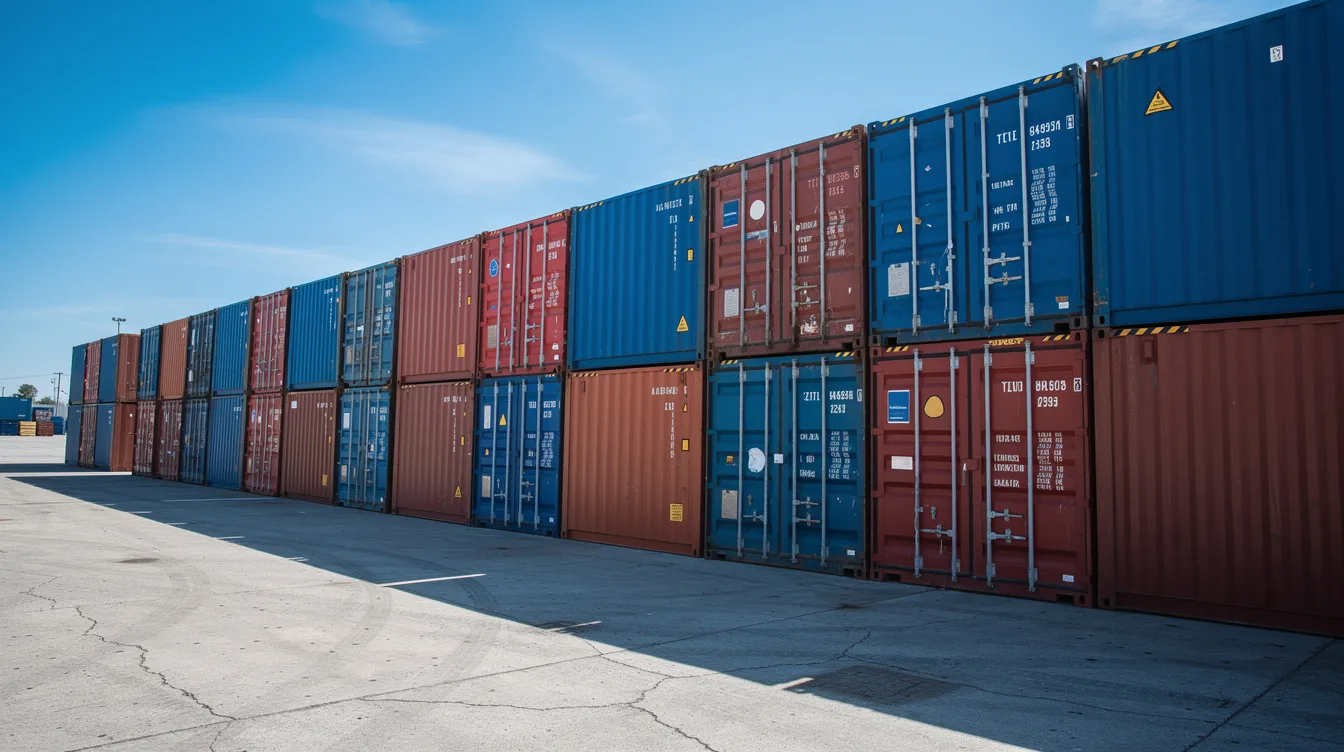
Starting a shipping container storage business is a major undertaking, but it offers unique opportunities for entrepreneurs. The self-storage industry has experienced robust growth in recent years, with annual revenues in the United States exceeding $40 billion and a projected growth rate of approximately 5.5% per year through 2026. For those eyeing the profitable self-storage industry, the initial investment in land and construction for a traditional facility can be a significant barrier. However, using shipping containers as storage units presents a modern, flexible, and cost-effective solution that is rapidly gaining popularity. This approach offers a powerful alternative to traditional construction, providing unmatched durability, scalability, and lower costs—making it easier to start a self-storage facility and grow successfully.
At Container Management, Inc., we draw on years of experience working with storage business owners to offer practical advice rooted in what makes companies successful. Our team is always available for you to bounce ideas off of and to share insights gained from supporting a wide range of storage businesses. This guide explores why a shipping container storage business is the ideal model for your self-storage venture and provides practical steps and actionable insights to help you launch and grow your operation successfully.
Why Start a Shipping Container Storage Business?
Shipping container storage businesses offer a unique combination of benefits that directly address the challenges of starting a self-storage facility. More than just steel boxes, commercial shipping containers are the building blocks of a flexible and resilient storage business model. Whether you are looking for shipping containers for storage units or evaluating the cost to start a storage business, these solutions empower you to launch and grow a self-storage operation that meets the needs of today’s market.
Unbeatable Cost-Effectiveness
Traditional self-storage facilities require substantial upfront capital for construction—including foundations, framing, roofing, and interior finishing—which often increases the cost to start a storage business. By choosing a shipping container storage business model, you dramatically reduce these initial costs. Since commercial shipping containers serve as the primary structure, you can bypass much of the expensive and time-consuming building process typically associated with starting a self-storage facility. This lower entry cost allows you to reinvest capital into marketing, security systems, or acquiring more shipping containers for storage units as your business grows.
Rapid Deployment and Scalability
One of the most significant advantages of a shipping container storage business is the speed to market. While a traditional self-storage facility can take months or even years to build, you can have your shipping container storage business up and running in a fraction of that time. Shipping containers for storage units are delivered ready to use, allowing you to start a self-storage facility quickly and efficiently. This approach helps entrepreneurs bring their storage business to market faster and capture demand before competitors.
This shipping container storage business model also allows for incredible scalability. You can start with just a few commercial shipping containers for storage units and add more as demand increases. This "pay-as-you-grow" approach minimizes risk and ensures your supply always matches your customer base—making it easier to start a self-storage facility and expand efficiently. Planning for expansion becomes a simple matter of securing additional shipping containers, not launching another massive construction project or incurring the high cost to start a storage business.
Superior Durability and Security
Shipping containers are engineered to withstand the harshest conditions on the open sea, making them exceptionally well-suited for a shipping container storage business. Constructed from high-strength Corten steel, these commercial shipping containers are designed to be watertight, wind-resistant, and incredibly durable—essential qualities for any self-storage facility. This inherent toughness is a key advantage for your shipping container storage business, as it provides a secure option for your customers’ belongings. Their robust construction naturally deters theft and protects contents from the elements, ensuring that your storage units offer superior security and peace of mind for both you and your clients. If you are evaluating shipping containers for storage units in your business, durability and security stand out as critical factors contributing to long-term success and customer satisfaction.
Practical Steps to Launch Your Container Storage Business
Turning a plot of land and a stack of containers into a thriving shipping container storage business requires careful planning and a focus on proven business strategies. Drawing on our experience helping new owners start a self-storage facility, here are the essential steps to consider for launching your commercial shipping container operation and managing the cost to start a storage business. Whether you’re evaluating shipping containers for storage units or configuring your site for long-term growth, following these detailed steps will help ensure your shipping container storage business is positioned for success.
1. Choosing the Right Containers
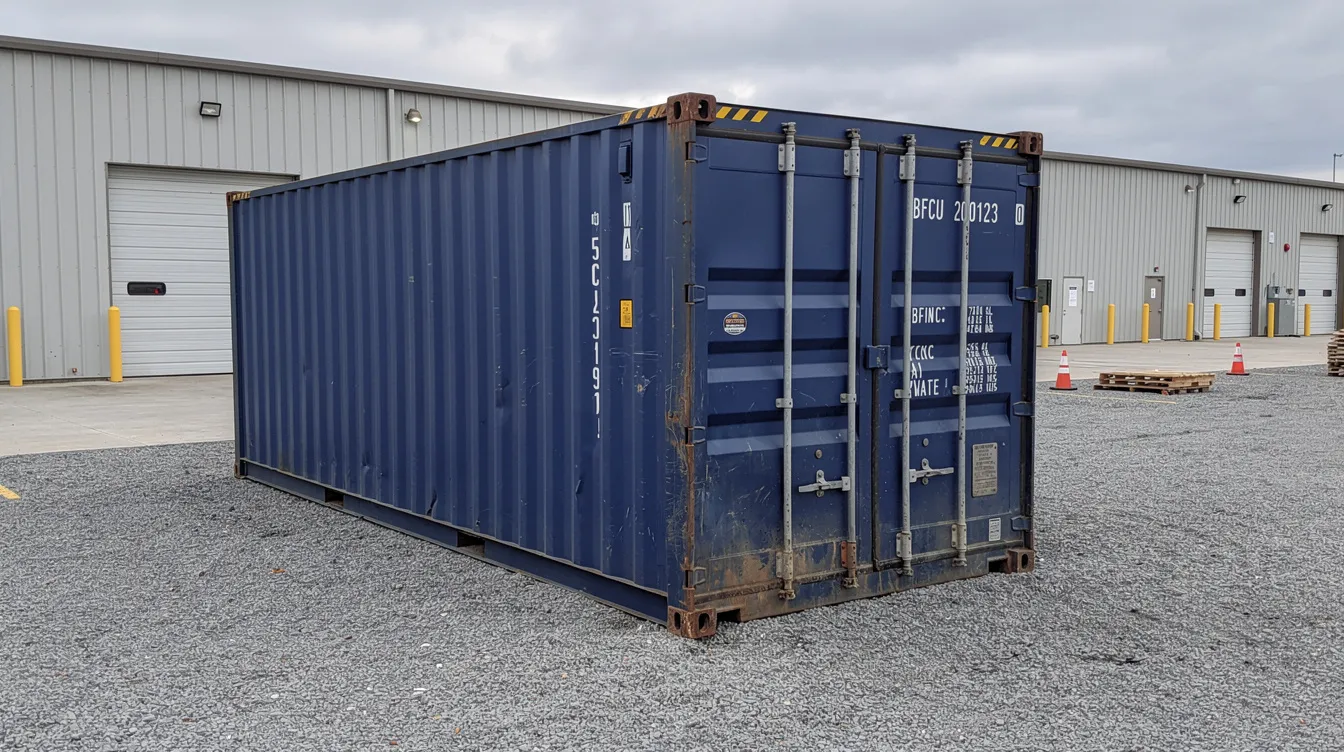
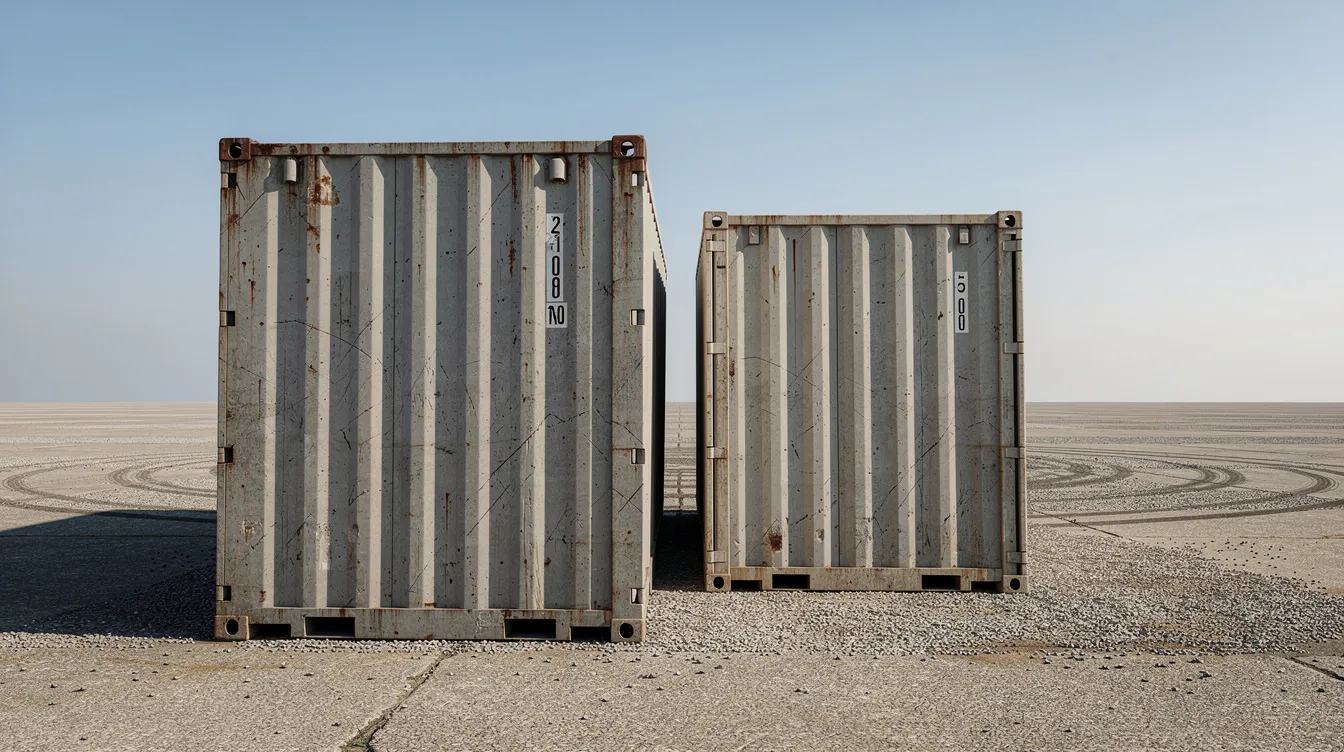
Not all shipping containers are the same. The size you choose will impact your shipping container storage business in several ways, including your site layout, pricing structure, and customer appeal. Selecting the right commercial shipping containers is an essential step when you start a self-storage facility, as different sizes attract different types of customers and affect the overall cost to start a storage business.
- 20-foot Containers: These are a popular choice for general-purpose storage. They provide about 150 square feet of space, ideal for the contents of a one- or two-bedroom apartment. Their smaller footprint allows for more units in a limited area.
- 40-foot Containers: Offering around 300 square feet of space, these units can accommodate the belongings of a larger home or serve as storage for small businesses needing to store inventory or equipment. High-cube (HC) versions offer an extra foot of vertical space, which is a valuable upsell feature.
We can help you analyze your target market to determine the optimal mix of shipping containers for your storage business. Choosing the right combination of 20-foot and 40-foot containers is essential for launching a successful shipping container storage business and appealing to a wider range of customers. Sometimes, using both container sizes enables your storage facility to offer flexible solutions, supporting growth as you start a self-storage facility or expand your commercial shipping container operation. This approach not only meets varying customer needs but also helps manage the cost to start a storage business more effectively.
2. Customizing for Customer Needs
While standard containers are highly functional, making targeted modifications is an effective way to enhance your shipping container storage business. Simple upgrades can significantly improve the customer experience, increase demand for your shipping containers for storage units, and allow you to command higher rental fees. These strategic enhancements add value to your commercial shipping containers and help set your shipping container storage business apart from traditional competitors.
- Ventilation: Installing vents is crucial to prevent condensation and maintain air quality inside the unit, protecting sensitive items.
- Easy-Open Doors: Standard container doors can be heavy. Installing roll-up doors or lightweight swing doors makes access much easier for your customers.
- Partitions: You can divide a 40-foot container into multiple smaller, rentable units. For example, dividing one into four 10-foot sections creates more inventory to rent out, often at a higher price per square foot.
- Security Features: Adding a lockbox to the exterior protects the renter’s padlock from being tampered with, offering an extra layer of security.
3. Planning for Growth and Layout
How you arrange your containers is critical for operational efficiency and future expansion within your shipping container storage business. A well-designed layout maximizes your rentable space while ensuring easy access for customers—an essential factor when you start a self-storage facility and aim for long-term growth. When planning your commercial shipping containers’ placement, consider how layout decisions can impact your ability to scale as your storage business expands. Carefully organizing shipping containers for storage units at the outset helps manage the overall cost to start a storage business while supporting seamless expansion down the line.
Consider designing wide driveways in your shipping container storage business to accommodate large moving trucks and keep access simple for your customers. As you plan the placement of your first commercial shipping containers, it’s helpful to think ahead—where will the next row of storage units go, and how will you maintain efficient traffic flow as your business and customer base grow? Over the years, we’ve worked closely with a variety of businesses, learning what helps them succeed in the self-storage industry. Our team is always available to share insights, offer proven advice, or even just brainstorm new ideas with you. We encourage you to reach out and bounce your plans off us—we’re here as a resource to help avoid common pitfalls and to support your goal of seamless, sustainable business growth. With careful planning, you can avoid getting boxed in and set your shipping container storage business up for long-term success.
Your Partner in Success
Building a shipping container storage business is a smart, modern approach to entering the self-storage industry. By leveraging commercial shipping containers as storage units, you benefit from lower costs, rapid deployment, and built-in durability—giving your shipping container storage business a competitive edge from day one. However, success in the shipping container storage business depends on making informed choices regarding container selection, cost to start a storage business, and business configuration from the very beginning.
With years of experience in the shipping container storage business, Container Management, Inc. is more than just a container supplier. We are a dedicated partner invested in your success, providing entrepreneurs with the commercial shipping containers and expert guidance necessary to start a self-storage facility, manage the cost to start a storage business, and configure your shipping container storage business for long-term growth. We offer high-quality new and used shipping containers for storage units, practical advice for scaling your operation, and customized solutions designed to maximize profitability at every stage of your business.
Ready to build your shipping container storage business? Contact our team today to discuss your vision, learn more about the cost to start a storage business, and discover the best commercial shipping containers for storage units. Let’s create a customized plan to launch or expand your shipping container storage business and set you up for long-term success.