The idea of turning a steel shipping box into a livable house has moved from novelty to genuine housing trend. Whether you call it a home container, a container home, or a shipping container home, the concept is the same: take a prefabricated steel structure originally built for global freight and transform it into a residential space. This guide covers what you need to know before you purchase your first container, from cost and construction to delivery and design.
Key Takeaways
- A home container is a prefabricated or modified residential structure made from shipping containers. Container Management, Inc. supplies the actual containers nationwide but does not build or design residential homes.
- Container homes can be cost effective compared with some traditional builds, but land, permits, and modifications often push total budgets into the tens or hundreds of thousands of dollars.
- Structural integrity matters: stacking, cutting large openings, and joining multiple shipping containers must be engineered correctly to keep the steel structure safe.
- Buyers can choose between New One-Trip, Used Cargo Worthy (CW), and Wind & Watertight (WWT) containers from Container Management, Inc. when starting a project.
- Container Management, Inc. does not build container homes or provide floor plans, but we sell quality containers and offer limited customization services at our Chicago facility.
What Is a Home Container and Why Are Shipping Container Homes So Popular?
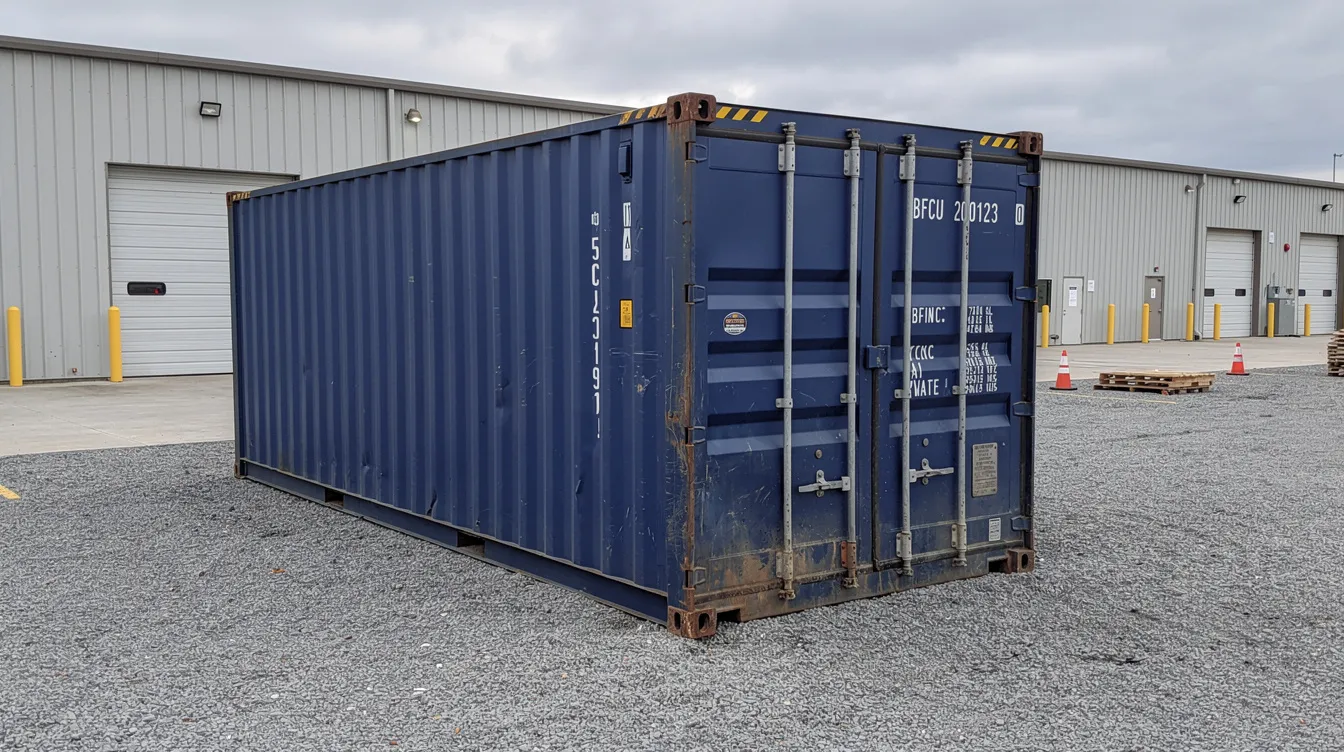
A home container refers to any residential project built from steel shipping containers originally designed for ocean freight. Containers provide a modular, adaptable framework for residential spaces, and their standardized dimensions simplify planning and design for builders and homeowners alike. Shipping containers are typically 8ft wide and 8ft 6in high, and they come in lengths that create compact but functional living areas.
The most common sizes repurposed into homes, cabins, studios, and accessory dwelling units are the 20ft, 40ft, and 40ft High Cube. From 2020 through 2026, interest in alternative housing has exploded. Social media tours, YouTube builds, and modular housing blogs turned shipping container homes into a recognized form of modern design.
Container Management, Inc. operates on the supply side of this trend. We sell
New and
Used shipping containers nationwide through our
shipping containers for sale program, which buyers, contractors, and prefab builders then use to construct residential homes and other structures. We do not design, engineer, or build shipping container homes, but we are often the first step because we provide top notch containers that meet export or storage standards.
Pros and Cons of Using Shipping Containers for Residential Homes
Shipping container homes can be a dream home solution for some people, but they are not automatically cheaper or easier for everyone. Here is a balanced view.
Advantages:
- Durable corten steel shells withstand harsh conditions for many years before needing significant exterior maintenance, and a shipping container home can last 25 - 50 years with proper upkeep
- The initial cost of container homes is generally lower than traditional homes due to reduced materials
- Containers are designed for portability and can be relocated if necessary
- Container homes can be completed in just a few weeks or months compared to traditional homes
- Repurposing shipping containers helps reduce construction waste and lowers the carbon footprint
- The ability to stack and configure multiple shipping containers allows for creative shapes and layouts
- Storage use of containers requires little to no structural modification, making them ideal for on-property storage
- Containers provide secure and weatherproof space for storage on residential properties
Drawbacks:
- Insulation challenges: steel conducts heat and cold, requiring careful envelope design
- Narrow interior space (roughly 7 ft 8 in of clear width after framing and drywall)
- Possible difficulty meeting local regulations and residential building codes
- Rust is the most common issue affecting container lifespan, especially in coastal or humid climates
- Heavy modifications like big windows, wide openings between containers, or rooftop decks affect structural integrity and require a structural engineer
While the shell can be affordable, costs for land, site work, utilities, permits, and interior finishes often bring the overall budget closer to that of a small conventional house.
Choosing the Right Shipping Container for a Container Home Project
Not every shipping container is ideal for residential use. Condition, size, and history all matter for long-term performance.
Sizes for home container projects:
| Size | Interior Space | Best For |
|---|---|---|
| 20ft | ~160 sq ft | Studios, offices, cabins, pop up shops |
| 40ft | ~320 sq ft | One-bedroom units, workspace layouts |
| 40ft High Cube | ~320 sq ft + extra height | Lofts, overhead storage, ductless mini-splits |
Shipping containers are available in 10ft, 20ft, and 40ft sizes, though 10ft units are only available New at our Chicago depot, and many small builds start with 20-foot shipping containers. A standard container is 8ft wide and 8ft 6in high. High Cube containers are 1ft taller than standard containers, which matters when you need room for insulation, ceiling fixtures, and mechanical systems.
Container Management, Inc. sells three grades:
- New One-Trip: near factory condition with minimal wear. Ideal when exterior appearance and longevity matter.
- Cargo Worthy (CW): structurally sound Used containers that can be certified for export shipping. A quality shell for building projects.
- Wind & Watertight (WWT): guaranteed weatherproof but not certified for ocean transport. Often the most cost effective option when heavy interior finishes are planned anyway.
Shipping containers typically cost between $1,500 and $5,000 each, depending on grade, size, and location. New One-Trip units cost more upfront but need less prep work. Used CW or WWT containers may save money initially but could require patching, rust treatment, and additional framing. Container Management, Inc. can also supply
ISO Cargo Worthy containers with export certification when a buyer plans to use containers as Shipper Owned Containers (SOC) before converting them into a permanent home at the destination.
Structural Integrity: How Container Homes Stay Strong and Safe
Standard shipping containers are engineered to stack corner to corner on ships and trains. Containers are designed to endure heavy loads during shipping, with vertical loads transferring through corner castings and top rails. This industrial strength is an advantage, but it also dictates how architects and builders should modify them.
When you cut large openings for windows, doors, or interior connections between containers, you remove material from load-bearing paths. Openings wider than roughly 4 feet in sidewalls generally require reinforcement with structural tubing frames and header beams. Stacking more than one story or creating cantilevers requires additional engineering and structural steel.
Anyone planning multi-container or multi-story residential homes should involve a licensed structural engineer familiar with steel construction and local codes. Container Management, Inc. does not provide engineering or design services, but we supply structurally sound containers that can be inspected and certified before they leave our depots.
Planning a Container Home: Budget, Permits, and Timeline
Success with a home container project starts with realistic budgeting and understanding zoning regulations in your area.
Budget components and approximate price ranges:
- Basic container homes can cost between $10,000 to $35,000 for simple studios
- A finished 40-foot container home DIY build costs $30,000 to $40,000 including materials and labor
- Larger container homes can range from $100,000 to $175,000 for multi-bedroom layouts
- Prefab container homes from commercial companies can cost $100,000 to $250,000 or more
- Add ons like foundation work, plumbing, electrical, and bathroom fixtures vary widely by location
Expect to budget for land acquisition, site preparation, delivery from the nearest Container Management, Inc. depot, foundation (piers, slab, or grade beams), permits, engineering fees, and inspections. States like Texas and California are generally more open to shipping container homes, but local regulations and zoning regulations vary by county and city, so verify requirements early, especially if you are sourcing containers from regional suppliers such as our Cincinnati, Ohio shipping container hub.
Some lenders treat container homes as non-standard construction. Container Management, Inc. does not offer financing, so buyers should discuss loan options with local banks or credit unions before the process begins. A realistic timeline from container purchase to move-in runs several months for a DIY approach and 6 to 18 months when hiring a builder or general contractor.
Working With Container Management, Inc.: What We Do and What We Don't
Container Management, Inc. is a nationwide seller and wholesaler of shipping containers with a long family-owned company history. We support container home builders and designers, but we do not replace them.
What we provide:
- New and Used containers in stock across the continental U.S. through our depot network
- Inspection of every unit to guarantee wind and watertight condition at delivery
- ISO Cargo Worthy certification for export when needed
- Delivery within approximately 200 miles of our depots, with extended range available
Customization options are available in select locations only. At our Chicago modification facility, we can create cut-outs for doors and windows, install small glass units, add basic HVAC units, handle select insulation and interior wall or flooring work, leveraging our broader Chicago shipping container sales and service. Scope depends on project details.
What we do NOT do:
- We do not build container homes or act as a general contractor
- We do not design floor plans or provide architectural drawings
- We do not perform onsite plumbing or electrical work
- We do not rent containers
- We do not sell "As-Is" containers
Come to us once you have a plan or a builder's specification, and we will match you with the right number, size, and grade of containers at the closest depot.
Design Considerations: Layout, Insulation, and Comfort in Container Homes
Transforming a steel box into a comfortable house requires attention to layout, insulation, and natural light. The narrow width of a standard container limits interior space, so many homeowners opt for 40ft High Cube units to gain extra ceiling height for lofts, overhead cabinets, or ductless HVAC systems.
Insulation type varies based on customer preference and climate. Closed-cell spray foam fills corrugations efficiently. Rigid panels deliver high thermal resistance. Keep in mind that insulating a shipping container home can reduce interior space, so factor that into layout planning. Proper insulation prevents condensation and corrosion in containers, which is especially important in cold climates where the steel shell acts as a condensation surface. Electrical work in containers must meet local building codes, so always hire a licensed electrician for permanent wiring.
Container Management, Inc. can perform only basic HVAC and some insulation work at our Chicago facility. For full mechanical design and custom container living layouts, consult local HVAC and insulation professionals familiar with residential homes, and coordinate with nearby depots like our Cleveland, OH shipping container location to minimize delivery costs.
Delivery and Site Setup: Getting Your Container to the Build Location
Delivery logistics directly affect your budget and schedule, especially for rural sites or projects using multiple shipping containers.
Container Management, Inc. coordinates trucking from the closest depot, with typical lead times of 4 to 7 business days after purchase. Delivery beyond 200 miles is available by special arrangement. Offloading depends on your site: tilt-bed trucks can roll containers to the ground, but some locations require the buyer to provide a crane or heavy forklift, which is especially relevant when arranging deliveries from regional depots such as our Columbus, OH shipping container facility.
Prepare your site with level, well-drained access routes and adequate turning space for trucks. Check whether your jurisdiction requires a foundation inspection before containers are set. In some locations, Container Management, Inc. may set the container directly on the ground, but we do not perform full onsite installations onto piers or engineered foundations, even when containers are supplied through markets like our
Detroit, MI shipping container service area. For that, customers typically coordinate with a local contractor or equipment-handling company.
Frequently Asked Questions About Home Containers and Container Management, Inc.
Can Container Management, Inc. build my entire shipping container home for me?
No. Container Management, Inc. does not build container homes, act as a general contractor, or provide architectural or engineering services. Our role is to sell and deliver high-quality New and Used shipping containers, with limited modification services in Chicago. Customers then work with their chosen designers and builders to complete the project.
How many shipping containers do I need to create a small home container?
A simple studio or tiny home might use a single 20ft or 40ft container. A one-bedroom layout often uses one or two 40ft units. Larger family homes can combine three or more 40ft High Cube containers. The exact number depends on desired square footage, local setback rules, and whether the design includes hallways, covered decks, or multi-story stacking, and many Midwest customers source units from our Indianapolis, IN shipping container inventory.
Are Used containers safe to use for a container home?
Many successful container homes start with Used Cargo Worthy or Wind & Watertight containers. As long as they are structurally sound and inspected before modification, they can form a durable, cheaper shell. Have rust and damage professionally assessed, and plan to encapsulate original interior surfaces with new framing, insulation, and approved residential materials. Shipping containers can last at least 25 years with maintenance.
Do I need an export certified container if I plan to live in it?
Export (CSC) certification is needed only if the container will be used for ocean transport as a Shipper Owned Container (SOC). For a stationary container home on your property, export certification is not required. Container Management, Inc. can provide ISO Cargo Worthy containers with export certification when customers intend to ship containers overseas before converting them, including buyers working through regional hubs like our Kansas City, MO shipping container operation.
How do I get a quote for containers for my home container project?
Estimate how many containers and what sizes you need, note your delivery ZIP code, and contact Container Management, Inc. by phone or through our website for current pricing and availability. Let us know whether you prefer New One-Trip, Cargo Worthy, or WWT grade so we can recommend the most practical options near your location.
Build Your Dream Container Project with Container Management, Inc.
If you are serious about a shipping container home, a storage build, or any commercial or industrial container project, the first step is securing quality containers from a supplier you can trust. Container Management, Inc. sells New and Used 20ft, 40ft, and 40ft High Cube shipping containers through a nationwide depot network, including One-Trip, Cargo Worthy, and Wind & Watertight grades.
Our team helps match customers with nearby inventory to save on delivery costs and lead times. We can arrange basic modifications in Chicago on a case-by-case basis. Reach out for a no-obligation quote, let us know your intended use, and we will recommend containers that balance structural integrity and cost effectiveness.
We do not design or build the home itself, but choosing the right shipping container supplier is a critical first step. Let Container Management, Inc. help you start your project on solid steel ground.