Written by Susan Nalevac | April 06, 2022
One of the principal benefits of owning a new shipping container home is how sustainable and energy-efficient they can be, benefitting both the environment and your wallet.
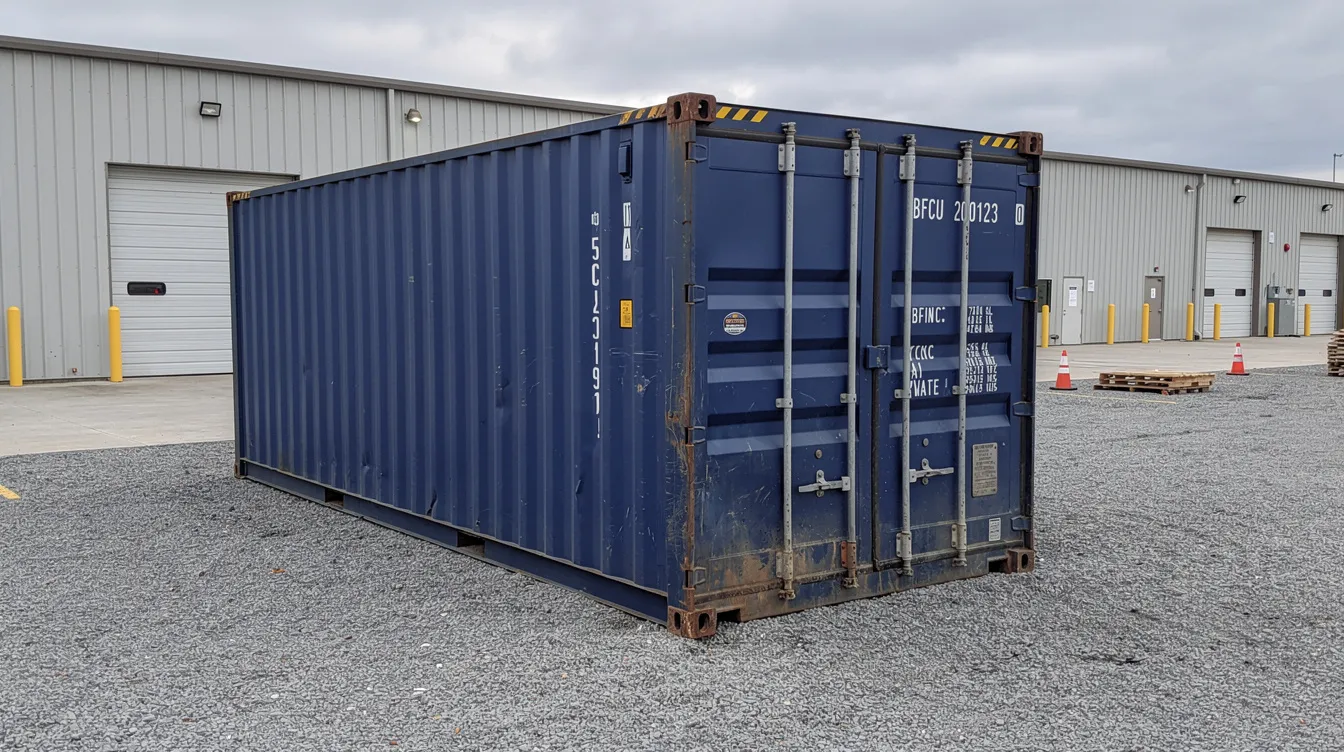
Whether you’ve got a brand-new 20-foot or a 40-foot used shipping container to outfit, you can equip it to make it greener and save you money.
Here’s some strategies to help make your shipping container home more sustainable:
Install a Green Roof
A popular addition for container homeowners who want to make their homes more sustainable is green roof insulation. Also known as a living roof, a green roof is when owners use the roof of their container as a second lawn and garden, complete with dirt, grass, vegetables, and flowers.
The green roof serves two purposes: first, it provides natural insulation for your container home, keeping you warm without using foam insulation that’s harmful to the environment. Second, it gets plenty of direct sunlight, making it ideal for a large garden where you can grow food or flowers for your table.
Lower the Temperature
If you use an electric or gas heater in your container home, the best way to lower your energy bill is to lower the temperature. Of course, in the winter months, you can’t risk freezing, so consider a natural wood-burning or pellet stove or furnace to keep you warm.
A container home can get a little stuffy in the summer, but remember that it’s much cheaper to use a fan than an AC unit.
Capitalize on Solar Power
If you don’t choose to go with a green roof, you can still capitalize on the extra space on your container home’s roof by installing some solar panels. You might think that you need to live in sunny California or Florida to take advantage of solar panels, but modern panels can work in cloudy and even snowy conditions, so they’ll provide benefits year-round.
We all know the environmental benefits of solar panels, but don’t underestimate how much money solar panels can save you over months and years compared to traditional energy sources.
Start Composting
Whether you live in a shipping container home or a mansion, composting is one of the best sustainable practices. A compost pile is also great if you have that living roof garden, as it uses your waste to produce nutrient-rich soil for better growth. Some examples of what you can put in your compost pile include:
- Vegetable peels
- Coffee grounds
- Tea bags
- Fruit remnants
- Eggshells
- Paper
- Cardboard
- Shredded newspaper
- Leaves
- Woodchips
- Fireplace ashes
Help your new living roof and garden thrive by starting a compost pile!
Conclusion
There are many ways to make your shipping container more sustainable, both big and small. In the end, it’s not much different than making any home more sustainable—cut down on energy use, use green energy sources, and grow and consume garden vegetables.