When you look at a steel shipping container, you might just see a simple box designed for freight. However, these sturdy structures are quickly becoming the building blocks of modern urban development. Across the Greater Chicago area, businesses, developers, and homeowners are discovering the incredible potential of shipping container modifications. Understanding the various applications of shipping containers is crucial whether you plan to buy one for storage, transport, or a creative building project. Prices and project scopes vary depending on several factors, including size, condition, and your specific modification needs. This guide explores the latest trends in shipping container usage across Chicago. You will learn how these steel boxes are being repurposed into sustainable housing, innovative retail spaces, and dynamic commercial venues. We will also provide practical advice on how to source the right container for your next project.
The Rise of Modular Container Architecture in Chicago Construction
Chicago has always been a city known for its rich architectural history. Now, the city is embracing a new wave of building techniques centered around modular container construction. This method offers incredible flexibility, durability, and cost-effectiveness compared to traditional building practices.
Because containers are built to withstand harsh ocean conditions, they are naturally weather resistant and incredibly strong. This makes them an ideal starting point for a wide variety of construction projects. By utilizing these existing structures, builders can significantly reduce construction timelines.
As you begin the process of planning a modular build, you will find that containers can be easily stacked, cut, and connected. This modularity allows architects to push the boundaries of traditional design. From simple storage units to multi-story complexes, the possibilities are virtually endless.
Sustainable Housing in Chicago: Shipping Container Solutions and Trends
One of the most exciting developments in Chicago's urban landscape is the use of shipping containers for sustainable housing. Affordable and eco-friendly housing is a growing need, and modular construction provides a practical answer. These homes offer a unique and stylish alternative to traditional housing construction. Container homes are highly customizable. They can be outfitted with high-performance insulation, solar panels, and rainwater harvesting systems. These energy-efficient features help reduce the homeowner's environmental footprint while lowering long-term utility costs.
South Side Container Project: Chicago’s Premier Shipping Container Housing Initiative
A perfect example of this trend is taking shape on Chicago's South Side. A large-scale development is currently under consideration to introduce hundreds of luxury container homes to the area. This project aims to transform vacant lots into vibrant, sustainable neighborhoods.
These homes are built from repurposed shipping containers that have been heavily modified for residential living. They range in size from compact studio layouts to spacious three-bedroom units. The designs prove that living in a container does not mean sacrificing comfort.
Each unit is outfitted with high-end finishes, modern appliances, and energy-efficient climate control systems. Many of the layouts also feature private outdoor spaces and large windows to maximize natural light. By using recycled materials as the primary building blocks, developers can offer stylish, comfortable homes with a significantly reduced environmental impact.
Shipping Container Retail Spaces and Community Hubs in Chicago
Beyond residential housing, shipping containers are transforming Chicago's retail landscape. Traditional brick-and-mortar storefronts require long-term leases and significant upfront capital. Modified shipping containers offer entrepreneurs a highly flexible and cost-effective alternative to launch their businesses.
These compact spaces are quick to deploy and can be customized to reflect a brand's unique identity. They allow business owners to experiment with new locations and concepts without committing to a massive financial burden.
Boxville Bronzeville: Shipping Container Retail and Community Hub
A standout example of container-based retail is "Boxville," located in the historic Bronzeville neighborhood. This vibrant community hub uses heavily modified shipping containers to host a diverse array of small businesses. It serves as a launchpad for local entrepreneurs, providing them with affordable commercial space.
The Boxville market currently utilizes 17 shipping containers to host 20 different small businesses. The vendors range from food and beverage purveyors to custom apparel printers and local bookstores. This setup not only supports local commerce but also revitalizes the neighborhood by creating an engaging community gathering space.
By utilizing containers, the organizers of Boxville were able to create an open-air market environment quickly and efficiently. The modular nature of the market means it can easily scale up or reconfigure as the needs of the community change.
Boombox Pop-Up Storefront: Chicago’s Iconic Shipping Container Retail Innovation
Another excellent example of retail innovation is the Boombox pop-up storefront located on Milwaukee Avenue. This structure was created by upcycling a standard shipping container into a climate-controlled, mini-retail boutique. It demonstrates how a simple steel box can become an inviting, high-end retail environment.
The Boombox container features large, folding glass doors along its front facade. This allows the space to completely open up to the surrounding pedestrian plaza. The inviting layout draws in foot traffic and connects the interior retail space directly with the local neighborhood.
Spaces like Boombox are available to rent for short-term pop-up shops, cultural events, and brand marketing experiences. This gives small businesses and artists a highly visible platform to showcase their work in a premium location without signing a multi-year commercial lease.
Commercial Applications and Hospitality: Shipping Containers in Chicago
The hospitality industry in Chicago is also leveraging the unique aesthetic of shipping containers. Many local businesses are creatively repurposing these structures into functional, eye-catching commercial venues. You can find them used as outdoor bars, cafes, and engaging event spaces throughout the city.
A container’s industrial look pairs perfectly with modern, urban design trends. Businesses often paint them in vibrant colors, add custom lighting, and install large service windows. These modifications create functional concession stands and service bars that are both secure and easy to maintain.
These container-based concepts draw crowds and boost local tourism by offering a unique customer experience. Furthermore, because the structures are technically portable, businesses can potentially relocate their venues if necessary. This adds a layer of operational flexibility that traditional buildings simply cannot offer.
Green Architecture and Environmental Impact of Shipping Containers in Chicago
Chicago has a long-standing commitment to green architecture, and shipping container projects align perfectly with these initiatives. Repurposing a used shipping container directly prevents a massive amount of steel from going to a landfill or sitting idle in a port. It is a prime example of large-scale upcycling.
By using an existing steel frame, developers drastically reduce the need for traditional building materials like cement and raw timber. This significantly lowers the overall carbon footprint of the construction process. It also reduces the amount of construction waste generated on the job site.
When you pair the upcycled steel frame with modern green technologies, the environmental benefits multiply. Container structures are frequently topped with green roofs to help with climate control and stormwater management. They represent a smart, forward-thinking approach to urban development that prioritizes environmental responsibility.
Practical Steps for Buying a Shipping Container in Chicago
If these innovative projects inspire you to start your own container modification, it is important to understand the purchasing process. Sourcing a high-quality container requires careful planning and a clear understanding of your project requirements. Here is straightforward guidance on how to secure a container for your needs.
- Define Your Project Needs
Before requesting a quote, determine exactly what you need. Are you building a retail pop-up, a residential home, or simply looking for secure storage? Your intended use will dictate whether you need a new ("one-trip") container or a used unit. You also need to decide between a standard height or a "High Cube" container, which offers an extra foot of vertical space. - Request a Detailed Quote
Reach out to us at Container Management, Inc. with your specific requirements. Provide us with the number of containers you need, your preferred size, and the exact delivery location. We will then provide you with a quote based on current inventory levels at the depot closest to your site. - Plan for Delivery
Delivery logistics are a crucial part of the process. We deliver most containers using a tilt-bed truck, which rolls the container directly onto the ground. Ensure your delivery site has ample clearance, firm ground, and enough straight-line distance for the truck to safely maneuver and drop the unit. - Understand Condition Grades
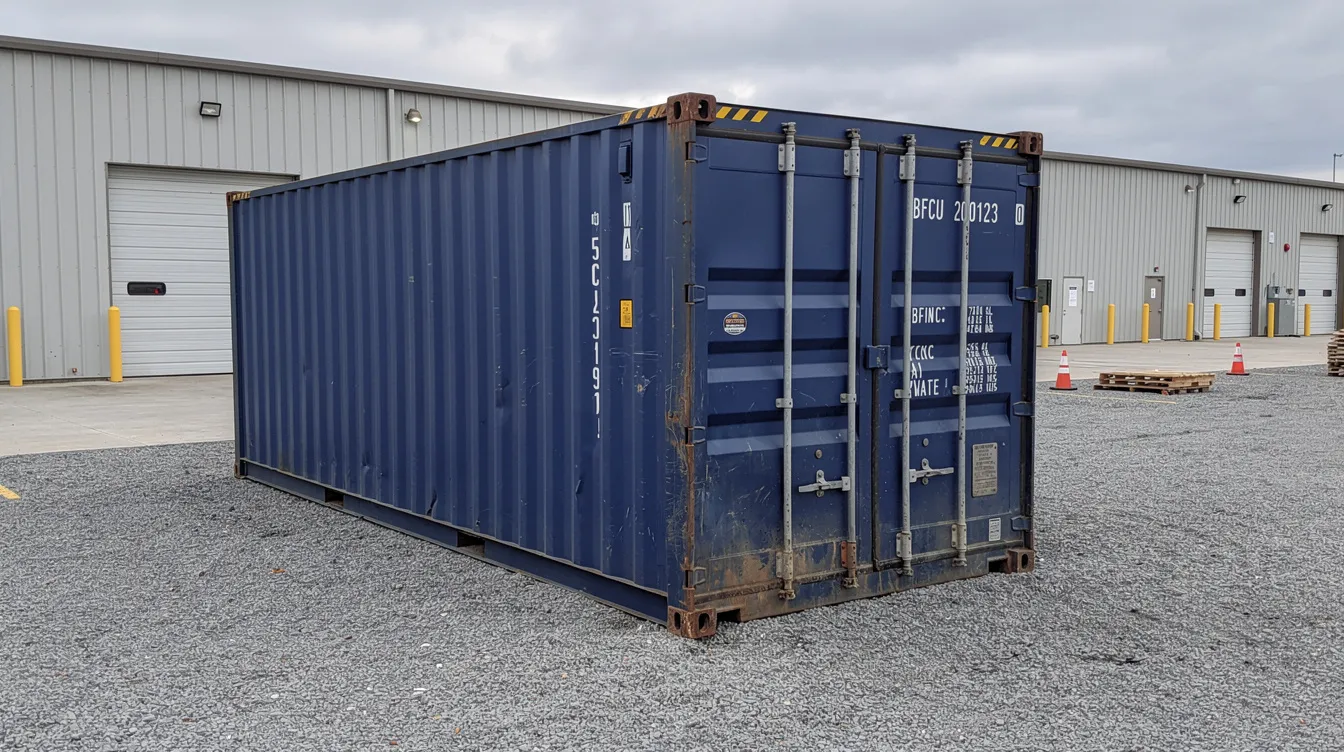
Shipping containers are graded based on their condition. If you are building a home or an office, you will likely want a "One-Trip" container, which is practically brand new and free of major dents or rust. For storage or industrial modifications, a "Cargo Worthy" or "Wind and Watertight" used container offers a highly cost-effective alternative.
Next Steps in Container Innovation: How to Embrace Chicago’s Shipping Container Trends
Shipping containers have evolved far beyond their original purpose. In Chicago, they are driving a new era of modular construction, supporting local entrepreneurs, and providing sustainable housing options. Their durability, affordability, and endless customization potential make them a brilliant solution for a wide variety of urban challenges.
Whether you are an aspiring business owner looking for an affordable storefront, or a developer planning a sustainable housing community, shipping containers offer a practical path forward. By understanding the costs, logistics, and modification possibilities, you can make informed decisions that align with your budget and goals. Take the time to outline your project, consult with our container experts, and explore the endless possibilities that modular architecture can offer.