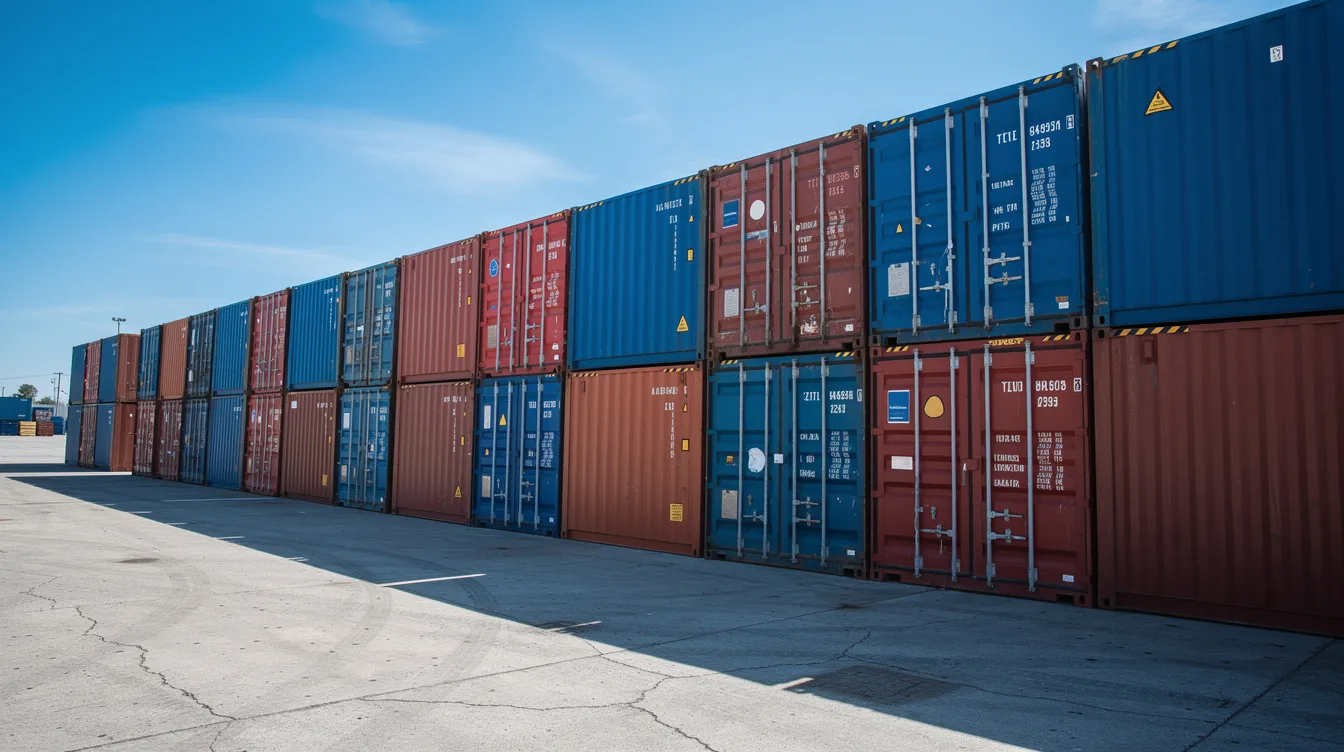
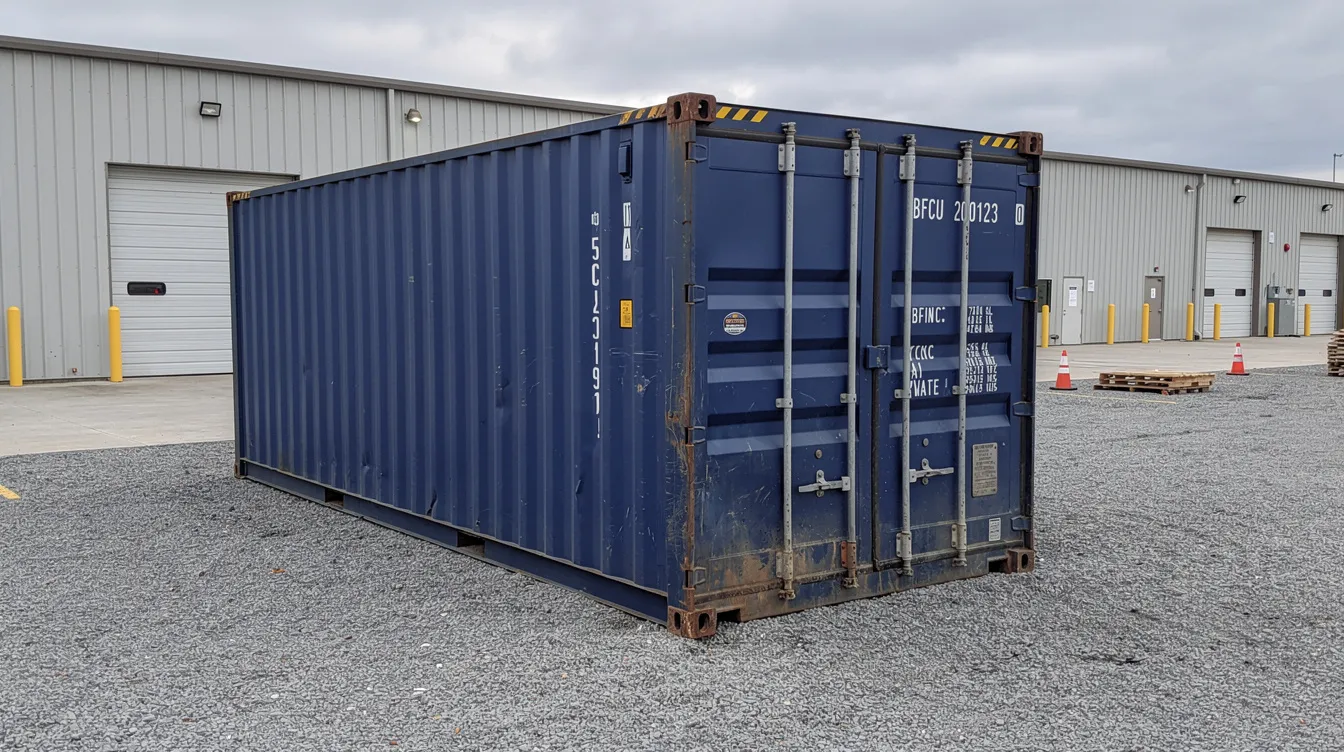
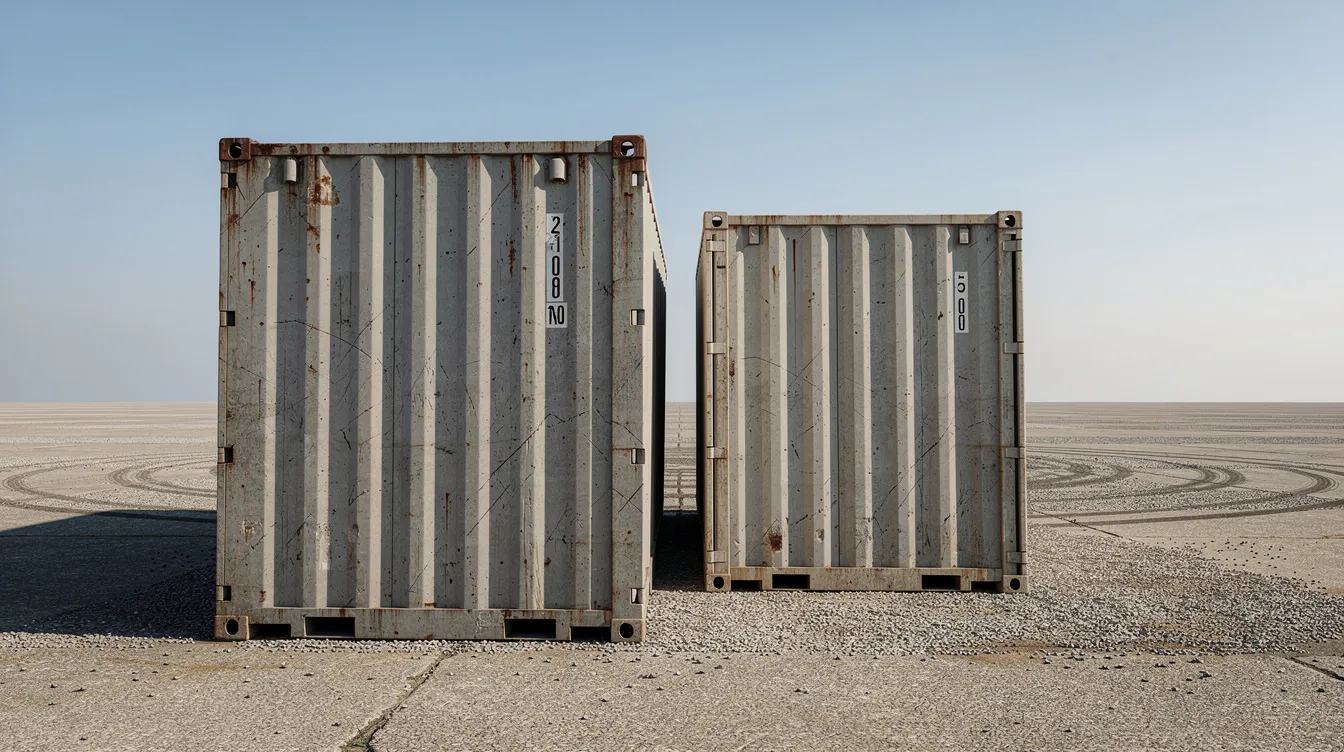
A shipping container garage is one of the fastest, most durable ways to create vehicle storage or a workshop on your property without the timeline or price tag of conventional construction. Whether you need to store a daily driver, protect a project car, or set up a full workshop, using shipping containers as garages gives you a weather resistant steel structure that can be operational the same day it arrives.
Key Takeaways
- A shipping container garage repurposes standard 20ft or 40ft ISO steel containers into secure, durable vehicle storage and workshop space, often at a fraction of the cost of a traditional garage.
- Most cars fit inside a single container, but daily parking and regular access work best with modified or double-wide container garages that offer more space for car door swings and movement.
- Converting a container as a garage can be completed 20–30% cheaper than conventional builds, especially when you start with a quality used ISO Cargo Worthy unit.
- Container Management, Inc. supplies new containers and used containers nationwide (20ft, 40ft, and 40ft high cube) and can perform select garage-related modifications from our Chicago, IL fabrication shop.
- Always check local building codes and zoning rules before placing shipping containers on your property.
What Is a Shipping Container Garage?
A shipping container garage repurposes one or more ISO steel shipping containers into a secure, weather resistant enclosure for cars, pickups, tools, and equipment. Most modern shipping containers are made from corrosion-resistant corten steel, originally engineered to survive ocean freight across the globe, making them an exceptionally sturdy shell for a garage.
Common builds range from just one shipping container used for storage to two containers joined side-by-side with removed inner walls to create a wider parking space. Standard shipping containers are roughly 8 feet wide externally. High cube options add vertical space, which matters if you plan to store larger vehicles or add shelves overhead.
Container Management, Inc. sells both
new and used containers, including ISO Cargo Worthy units suitable for export, that can serve as the structural base for simple or complex garage ideas.
| Container Type | Internal Length | Internal Width | Internal Height |
|---|---|---|---|
| 20ft Standard | ~19 ft 4 in | ~7 ft 8 in | ~7 ft 10 in |
| 40ft Standard | ~39 ft 5 in | ~7 ft 8 in | ~7 ft 10 in |
| 40ft High Cube | ~39 ft 5 in | ~7 ft 8 in | ~8 ft |
Do Cars Really Fit in Shipping Containers?
Yes, most sedans and small SUVs can physically fit inside a standard shipping container. However, the internal width of about 7 ft 8 in means that opening a car door fully or walking alongside the vehicle is tight without modifications. Most cars clear the height easily, but the width is the real constraint.
Here is how common 2025 vehicles fit:
- Mid-size sedan (2025 Toyota Camry): At roughly 193.5 in long and 72.4 in wide, it fits inside a 20ft container with limited side clearance. Mirrors may nearly touch the walls.
- Compact EV (2025 Tesla Model 3): At approximately 185 in long and 72 in wide, it fits comfortably in length; ceiling clearance is generous.
- Half-ton pickup (2025 Ford F-150 crew cab short bed): At 231–243 in long and about 80 in wide (without mirrors), this truck needs a 40ft High Cube container at minimum. Mirrors must be folded, and the tailgate may need to stay closed.
- Compact SUV (e.g., Nissan Rogue, ~182 in): Fits comfortably in a 20ft or 40ft standard container.
A single shipping container is ideal for one-car garages, long-term vehicle storage, project cars, motorcycles, or ATVs. Two shipping containers placed side-by-side with cut-outs between them can create a spacious two-car garage, and a double-wide container garage can fit two compact cars with room to spare. Before ordering from Container Management, Inc., measure your vehicle's total length, width including mirrors, and height including any roof rack, then compare those numbers to the interior dimensions above.
Pros of Using Shipping Containers as Garages
Shipping container garages are popular because they combine the durability shipping containers are known for with fast deployment and low cost compared to block or timber garages, making them similar in appeal to container-based storage businesses that leverage the same strengths. Here are the key advantages:
- Durability: Most modern shipping containers are made from corten steel for durability and can withstand impacts and harsh weather, including heavy rain and high winds. With proper maintenance, a shipping container can last up to 50 years. Container Management, Inc. offers both Wind & Water-Tight and Cargo Worthy used units, and new one-trip containers built to last decades.
- Cost effectiveness: Used shipping containers often cost less than traditional garages. Containers can typically be completed 20–30% cheaper than conventional builds, making them a budget friendly and cost effective storage solution for vehicles and equipment.
- Speed of construction: A shipping container garage can be operational immediately upon delivery. Shipping containers eliminate the need for concrete curing time, and setting up a container garage requires less groundwork than traditional methods. Your parking space or workshop is ready the same day.
- Security: Standard shipping containers have lockable handles for basic security, and containers typically have few entry points for easier access control. You can add high-security padlocks for enhanced protection. Shipping containers provide a secure option against theft and pests.
- Portability: Shipping containers can be relocated easily compared to traditional structures. Containers can be moved short distances or across the country, making them a convenient alternative for businesses or individuals who may relocate. They are a convenient choice for those requiring mobility.
- Eco-friendly: Repurposing containers reduces waste and landfill use, and using shipping containers decreases demand for new construction materials like lumber and concrete. You can also add a green roof-green roofs on containers improve insulation and air quality-or install solar panels, since solar panels on container garages enhance energy efficiency.
Limitations & Challenges of Container Garages
While shipping container garages are practical, they are not perfect. Width, ventilation, and local regulations all need careful planning before you commit.
- Limited space: The internal width of about 7 ft 8 in can feel cramped. Working on a doors-open car inside a single container is difficult without side modifications, and the standard height offers limited vertical space above taller vehicles.
- Accessibility: Original cargo doors are heavy and swing outward. Many owners replace one end with a roll-up or overhead garage door for easier daily access. However, cutting large holes for garage doors can compromise structural integrity, so professional reinforcement is essential.
- Ventilation and humidity:
For vehicle storage or a garage, if you're parking:
- Cars
- Trucks
- Motorcycles
Ventilation becomes more important because:
- Wet vehicles bring in water.
- Engines and exhaust can introduce heat and moisture.
- Fuel vapors may accumulate.
In that case, adding:
- A low intake vent
- A high exhaust vent on the opposite end
creates passive airflow and is generally recommended
- Temperature regulation: Temperatures inside containers can become extreme without insulation. Steel heats fast in summer and loses warmth quickly in winter, making insulation and airflow critical if the container doubles as a workshop.
- Zoning and permitting: Local zoning regulations may restrict the placement of shipping containers. Some jurisdictions treat a container as a temporary structure; others require full building permits, inspections, and setback compliance. Always check with your local building department before purchasing.
- Foundations and site access: A level, well-drained ground surface is essential. Delivery trucks need adequate clearance and turning room, and different shipping container delivery options may be better suited to your site than others. Container Management, Inc. contracts trucking only for containers we sell, and in some locations, customers must arrange offloading equipment on site.
Popular Shipping Container Garage Designs & Ideas
From a simple storage bay to a multi-level workshop, container buildings offer a surprising range of garage ideas. Below are the most practical setups.
Compact single container garage: One 20ft or 40ft container stores a single car, motorcycles, or tools. Adding shelves along the back wall and installing good lighting offsets the limited floor space and creates extra storage.
Double-wide container garage: Place two containers side-by-side and remove the inner walls via professional cut-outs. This creates a wider space layout with roughly 16 ft of width-close to a standard garage-that comfortably fits two vehicles.
Garage plus workshop combo: Dedicate part of a 40ft or 40ft high cube container to tools and benches, with the rest acting as vehicle storage. Container Management, Inc. can help with basic interior walls and flooring in select projects from our Chicago fabrication shop.
Multi-level or stacked container garage: Stacking containers creates multi-level garages for space efficiency. Use the ground level for vehicle parking and the upper level for an office, hobby area, or additional space. Multi-container garages can involve three or more containers. Always have an engineer verify structural requirements before stacking.
Open-sided or carport hybrid: Remove sections of walls and extend a roof to create an airy carport while keeping lockable storage in the enclosed portion. This design provides natural light and easy access for larger vehicles.
Sustainable designs: Integrate a green roof for better insulation, or mount rooftop solar panels for energy savings. Shipping containers can also be modified for rainwater harvesting systems, adding another layer of sustainability to your garage project.
Cost of Turning a Shipping Container Into a Garage (U.S., 2026)
Costs vary by container size, condition, location, and level of modification, but a container garage remains a cost effective foundation compared to a traditional garage. A 20-foot shipping container garage can be built for about $7,000 with basic modifications.
| Item | Low Estimate | High Estimate |
|---|---|---|
| Used 20ft CW container | ~$1,400 | ~$1,800 |
| Delivery (100 mi) | ~$500 | ~$1,500 |
| Roll-up garage door install | ~$1,500 | ~$4,000 |
| Insulation + interior finishing | ~$3,000 | ~$8,000 |
| Lighting, vents, basic wiring | ~$500 | ~$2,000 |
| Site preparation delivery costs (foundation/pad) | ~$2,000 | ~$6,000 |
| Total (moderate mods) | ~$10,000 | ~$20,000+ |
For local deliveries, costs stay low, and working with a provider experienced in delivering shipping containers can help you understand what to expect on delivery day. Longer distances and remote sites may increase trucking fees. A simple concrete foundation or compacted gravel pad keeps site preparation delivery costs manageable.
Planning Your Shipping Container Garage Project
Careful planning around size, placement, and services prevents costly mistakes and ensures your container garage works for daily use. Customization allows for unique designs and layouts, but you need a solid plan first.
- Assess your storage needs: List how many vehicles will use the garage, whether you need workshop or extra space, and whether this is a long-term or temporary setup.
- Choose size and configuration: Decide between a single container, two containers side-by-side, or multiple containers with a connecting roof. Container Management, Inc. can help source matching 20ft and 40ft containers.
- Site selection and foundation: Pick a level, well-drained area clear of overhead lines, with room for truck delivery and turning. Common options include a concrete foundation, concrete piers under corners, or compacted gravel.
- Ventilation and insulation: Insulation can be added to improve temperature control, and broader guides to building with shipping containers can help you think through moisture and thermal performance. Plan for louvered vents, roof turbines, or spray foam insulation for year-round comfort.
- Doors, windows, and access: You can add roll-up doors to shipping container garages for daily convenience. Windows can be installed for natural light in container garages. Plan all cut-outs early so structural reinforcement is done safely. Adding doors on the side wall can make entry easier than relying solely on the end.
- Utilities and code compliance: Custom features can include electrical systems and ventilation, but any electrical work must be performed by a licensed electrician to meet local building codes. Plumbing is outside the scope of Container Management, Inc.'s services.
Shipping container garages can be set up quickly after delivery when your site is prepped and your plan is clear.
How Container Management, Inc. Supports Container Garage Projects
While Container Management, Inc. does not build full container homes or complete garages on site, we are a nationwide supplier of the core asset: high-quality new and used shipping containers suitable for garage and storage projects. Here is what we bring to your garage project:
- Nationwide container supply: We stock 20ft, 40ft, and 40ft high cube units across the continental U.S., leveraging our network of shipping container sales locations, including new, one-trip and used (Wind & Water-Tight) and (Cargo Worthy) units.
- Quality and condition options: Choose between New/One-Trip, Cargo Worthy, and Wind & Water-Tight conditions. Many garage buyers select Cargo Worthy or better for a smart way to get more life from their investment. We do not sell "As-Is" category units.
- Limited modification services: Our Chicago, IL facility can perform structural cut-outs for doors and windows, basic HVAC unit installations, interior wall and flooring installations, and insulation-depending on project scope and location, supporting shipping container projects in Chicago and surrounding areas.
- Expert guidance: Our team helps customers choose appropriate sizes, conditions, and container counts. We discuss access, delivery, and basic layout ideas, though floorplans and design work must be provided by the client.
- Delivery logistics: We arrange delivery only for containers we sell through our established trucking network, including routes serving customers in Detroit and across Michigan. In some locations, customers need to provide offloading equipment.
- What we do not do: We do not offer financing, full design services, plumbing, or on-site electrical work. We also do not deliver containers we have not sold. This transparency helps you plan your budget and contractor needs realistically.
Frequently Asked Questions About Shipping Containers as Garages
How long will a shipping container garage last in normal U.S. conditions?
A well-maintained used shipping container garage can often last 20–30 years or more in most climates. New or one-trip units can exceed that when kept painted and rust-free. With proper maintenance, a shipping container can last well over 25 years. Longevity depends on climate (coastal environments are harder on steel), drainage quality, and whether scratches and exposed steel are promptly treated. Choosing a higher-grade unit from Container Management, Inc., such as New or Cargo Worthy, gives a better starting point for long service life.
Is a single shipping container wide enough to work on my car inside?
While most cars fit inside a single container, the internal width of about 7 ft 8 in makes opening doors and moving around challenging. You can store a vehicle and access it for occasional use, but regular maintenance or detailing is cramped. Many owners who want to regularly work on vehicles opt for a double-wide container garage using two containers side-by-side with cut-outs, or they use the container mainly for storage and add an external carport roof for more space to work.
Can I put a green roof on my container garage?
Green roofs are possible and increasingly popular, but they add significant weight. Saturated soil can weigh 100–120 lbs per cubic foot, which requires engineering review, waterproofing, and proper drainage. Consult a structural engineer before loading soil and plants on top of a shipping container garage. Container Management, Inc. can supply the container itself, but external professionals must design and certify any green roof system to meet local codes.
Do I always need a permit for a shipping container garage?
Rules vary widely by city, county, and HOA. Some areas allow a container as a temporary structure with minimal paperwork, while others require full building permits and inspections. Local regulations may also govern setbacks, container count, and parcel size. Contact your local building department before purchasing. Container Management, Inc. cannot provide legal or permitting advice, but we can help you understand container specifications relevant to your application.
How do I get started with Container Management, Inc. for a garage project?
Gather your basic requirements-container size, quantity, location, and timeline-and contact Container Management, Inc. for a quote. Our team will confirm availability near your zip code, discuss condition options and delivery logistics, and where possible, talk through any in-shop modification needs. Whether you need a low cost single container for a store of tools or a multi-container setup for a full workshop, we can help you find the right fit.
Conclusion & Call to Action
A shipping container garage delivers durability, security, and savings that few traditional builds can match at this price point. They are a smart way to create a weather resistant parking space, workshop, or storage solution on nearly any property with the right preparation. Careful planning around width, ventilation, insulation, and permits turns a basic shipping container into a highly functional container garage.
If you are considering a container as a garage, Container Management, Inc. is ready to help. We supply new and used shipping containers nationwide, offer select modifications from our Chicago facility, and work with both businesses and homeowners. Contact Container Management, Inc. today to request a quote, discuss your garage ideas, and get the right container delivered to your site.