Written by Susan Nalevac | May 20, 2022
One of the reasons so many people now use shipping containers for their homes, storage facilities, or other projects is because they are structurally sound and resilient. But that doesn’t mean they’re impenetrable or immune to wear and tear.
Keep your shipping containers solid and sturdy by learning more about the factors compromising the structural integrity of shipping containers.
Rust
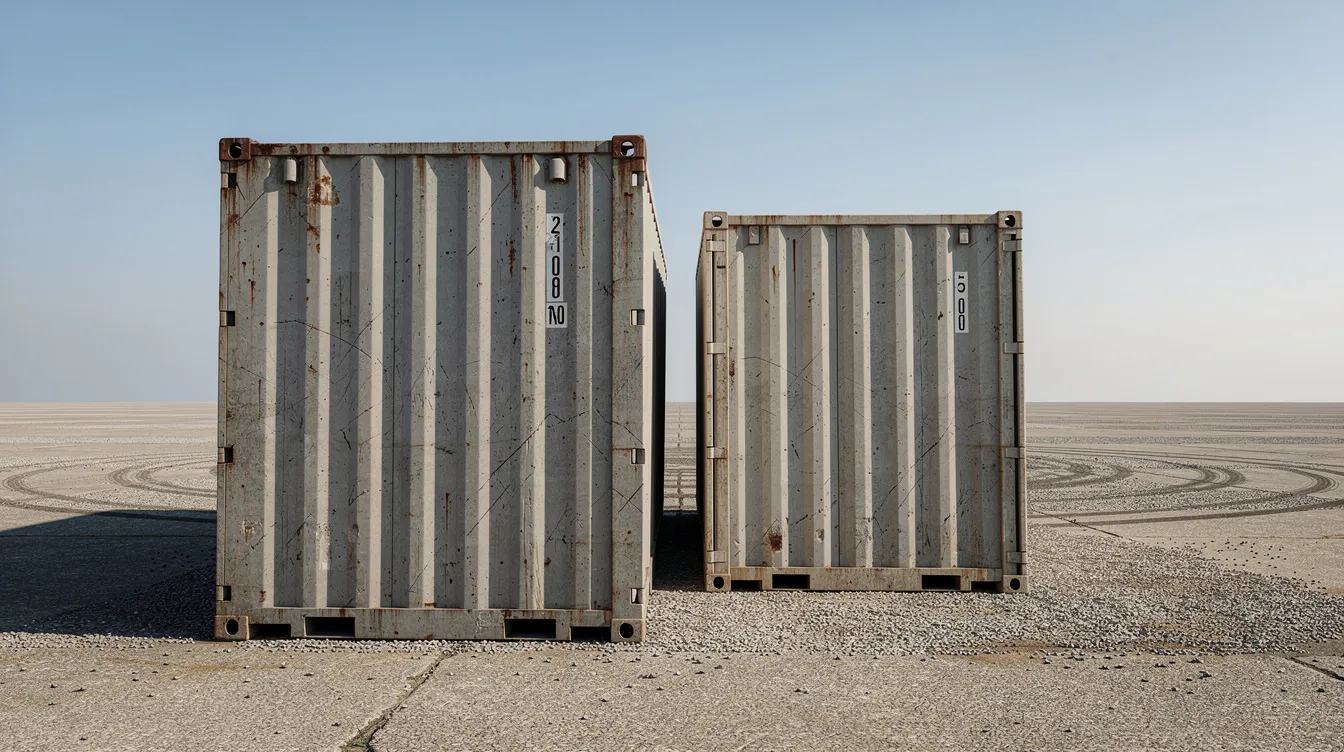
The natural enemy of steel shipping containers is rust. If you buy steel shipping containers, specifically used containers, you’ll want to scrutinize them for any signs of rust at purchase as it can severely compromise its structural integrity.
Shipping containers can cross thousands of miles of ocean water over their lifespan, so they’re built to withstand saltwater for a long time. But, even adequately protected, the sea can take a toll, and eventually, rust can set in—a fatal illness for shipping containers.
Major Modifications
You can become your own worst enemy when using shipping containers if you go too far with the alterations. Containers are exceptionally sturdy and reliable structures, but they can become structurally weakened if you cut out too much or add too much weight.
Avoid cutting too close to the corners, as they bear most of the weight. If you’re going to cut out large swaths of the container, be careful and reinforce the frame as much as possible.
Incorrect Stacking
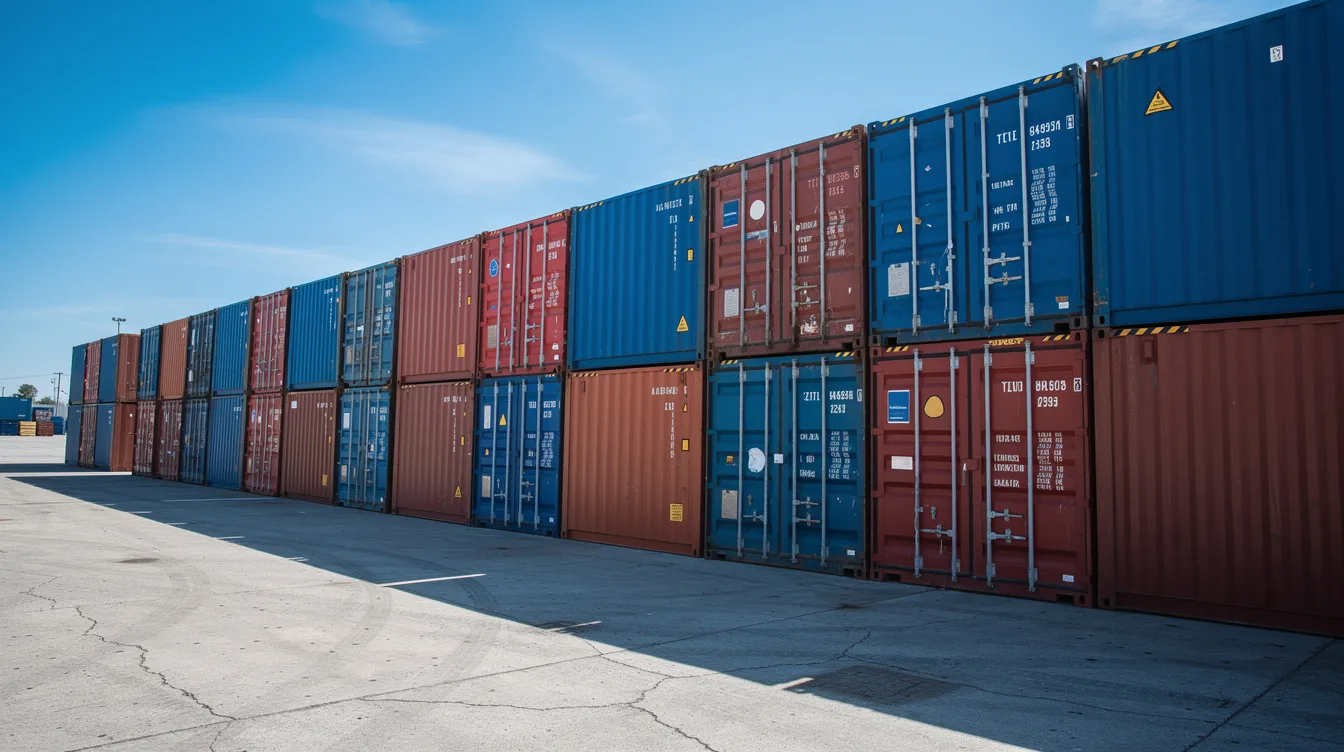
Shipping containers can bear the weight of multiple other containers and thousands of pounds if they’re stacked correctly. It’s essential that containers stacked on one another are loaded by the corners, never diagonally.
Most of a shipping container’s structural integrity comes from the corners, and it’s weaker in the middle of its roof. Remember this if you plan on stacking containers or adding weight on top of one—otherwise, you could see a structural failure.
Removing Corner Castings
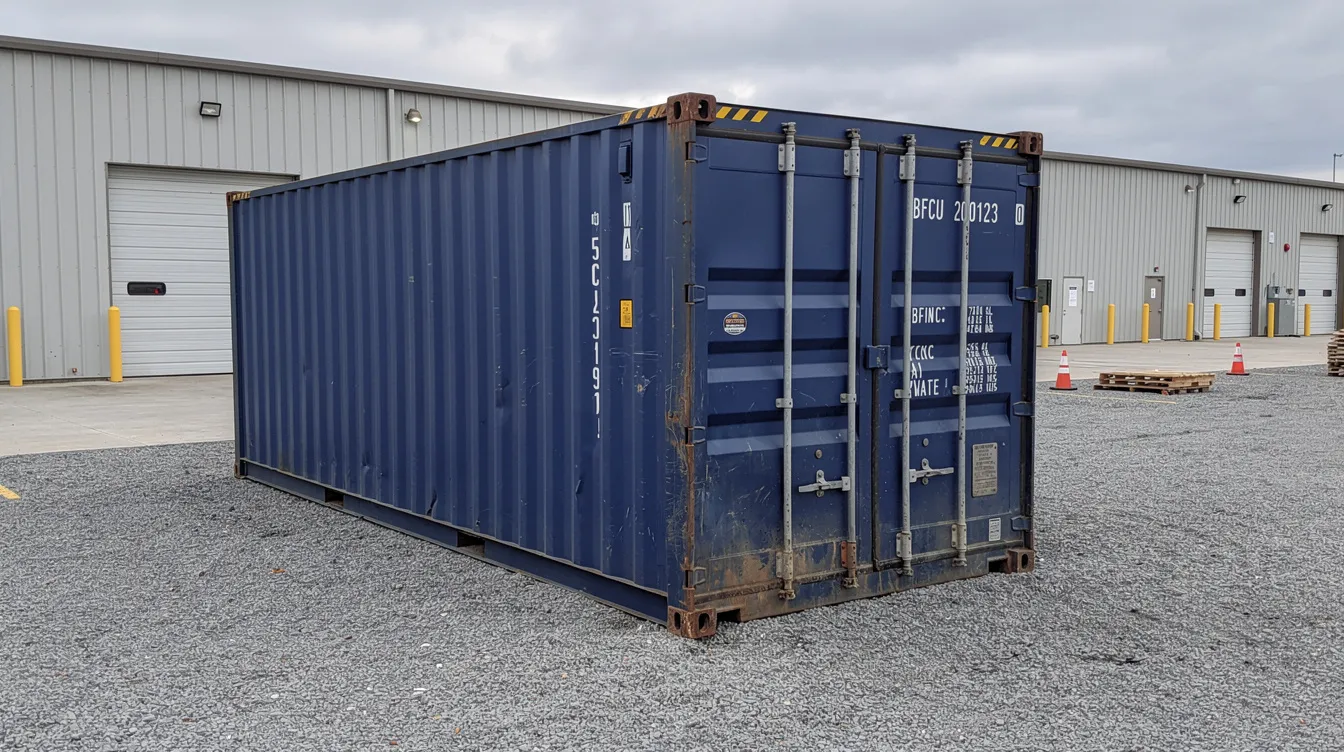
Speaking of the corners, you may notice corner castings on the corners. Corner castings have a stadium hole, a shield hold, and a stacking hole on top.
If you’re making significant alterations to a container, always leave the corner castings in place because they’re essential to the container’s integrity. Plus, they make it easier to pick up and move the container should you ever choose to relocate it.
Conclusion
These are the essential factors compromising the structural integrity of shipping containers. As long as you take good care of the container, don’t cut into too much, and know how to stack them properly, your container should be a reliable and sturdy structure for decades!
If you have more questions about any of these common issues, please contact the Container Management, Inc. team today.